Methylene Blue: What to Tell Patients Asking About the Nootropic Trend
Is Gluten-Free Actually Healthier? What the Evidence Shows
Do Lactation Supplements Actually Work? A National Breastfeeding Month Refresher
Biotin Beauty Claims: What Does the Evidence Show?
New Interactive CE: Men’s Health: Supplements & Safety
Now Streaming: New Podcast Episode
NatMed Content Updates
Biotin Beauty Claims: What Does the Evidence Show?
August 2026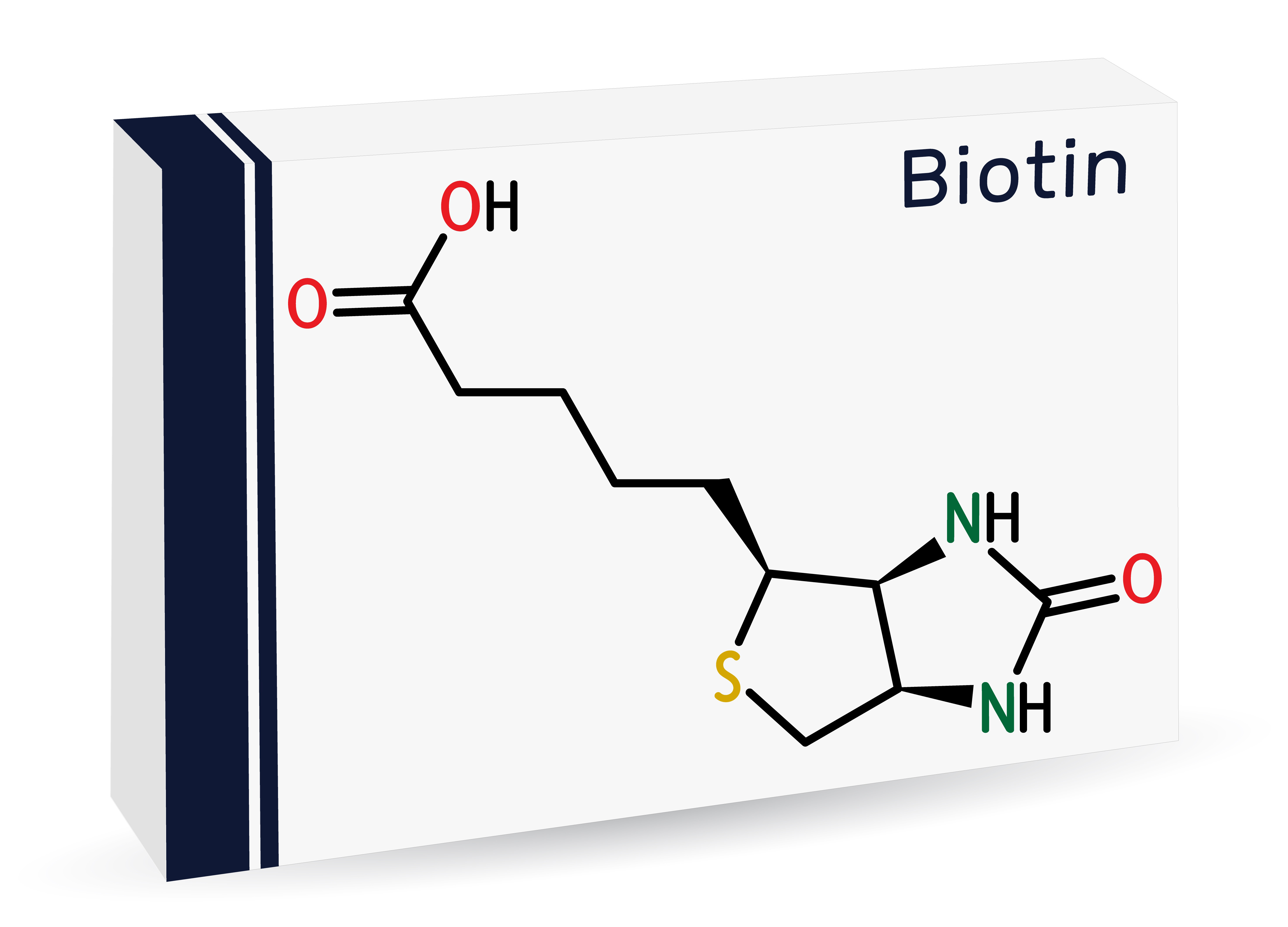
Reviewed 7/15/26 by the NatMed Clinical Team
Top Takeaways
Evidence only modestly supports biotin for brittle nails – hair-growth benefits require combination therapy, and skin benefits are unsupported.
Biotin is generally well-tolerated, but it can distort lab results (thyroid, troponin, hormone assays) – advise discontinuing at least 72 hours before testing.
With all the positive beauty claims surrounding biotin for hair, skin, and nails, patients may be asking you if it really works. Here’s what the research shows.
What is biotin?
Biotin (vitamin B7) is a water-soluble vitamin found naturally in small amounts in various foods. It functions as a coenzyme in several metabolic pathways. While most people get adequate biotin from their diet, supplementation has become popular.
Does biotin improve brittle nails?
Despite widespread use, clinical evidence for biotin's beauty claims is surprisingly limited. For brittle nails, some studies suggest that taking biotin 2.5 mg daily for 1.5 to 15 months might increase nail thickness and reduce splitting in some people. However, these studies are small and generally low-quality.
Does biotin help with hair growth or skin health?
For hair growth, a few studies suggest benefits. But any improvement was observed in young, healthy males, or patients with alopecia areata, and only when biotin is combined with other treatments like minoxidil or dexpanthenol. Surprisingly, for skin health benefits, there isn’t evidence of benefit yet.
Is biotin safe to try?
Some patients will still want to give biotin a try. If so, explain that biotin is generally safe and well-tolerated. Suggest starting with the lower studied dose of 2.5 mg daily while setting realistic expectations about likely outcomes.
Does biotin interfere with lab tests?
Yes – biotin can disrupt multiple laboratory assays, including thyroid function tests, cardiac troponin, and hormone levels, potentially leading to misdiagnosis or inappropriate treatment. Tell patients taking biotin to discontinue it at least 8 hours before laboratory testing if they’re taking 5 mg or more – or about 72 hours before if they’re taking 100 mg or more.
Where can you learn more?
For additional information on safety and efficacy, check out our comprehensive biotin monograph.