Is Moringa a “Superfood?”
December 2025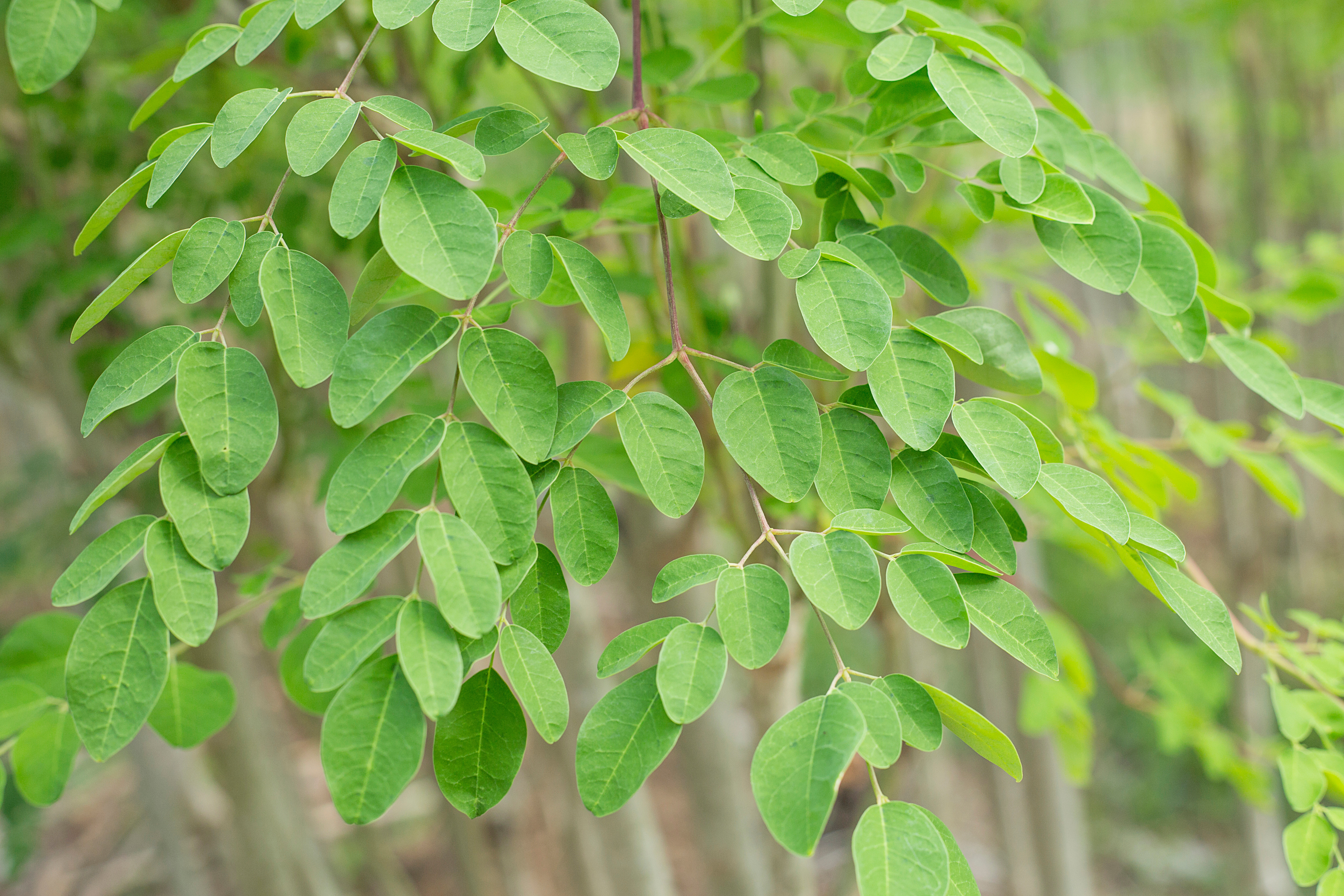
Claims that moringa supplements increase energy and improve chronic disease management have been flooding social media. Here’s what you need to know about its safety and efficacy.
Moringa oleifera is a fast-growing tree native to India, Pakistan, Bangladesh, and Afghanistan. This versatile plant offers multiple applicable parts including leaves, bark, flowers, fruit, seeds, and roots. The leaves are noteworthy as rich sources of vitamins A and C, and beta-carotene. The seeds also contribute nutritional value, containing almost 50% oil rich in tocopherols, sterols, and fatty acids.
The surge in moringa’s popularity may be attributed to TikTok and other social media platforms where users share personal experiences and promote it as a “superfood.” This viral trend is partly fueled by moringa’s appealing combination of potential nutritional benefits and widespread accessibility.
Despite the enthusiasm surrounding moringa, the clinical evidence remains limited. Tell patients there isn’t sufficient evidence to recommend moringa for any use, including the most commonly promoted benefits such as gut health, respiratory concerns, and skin conditions. It is important to communicate this evidence gap to patients.
From a safety perspective, oral and topical moringa leaf and seed appear to be generally well tolerated, with the most common side effect being transient diarrhea. However, oral moringa root and root bark may not be safe due to spirochin (a potentially toxic alkaloid) in the root and ephedrine-like stimulant alkaloids in the root bark. As with any supplement, proper counseling about potential risks is essential.
For additional information on safety and efficacy, check out our moringa monograph.