NatMed Condition Series: Tinnitus
Cracking the Code: Eggshell Membrane's Rise in Beauty and Joint Health
What’s Behind the Nootropic Buzz?
Vitamin D Supplements: What to Consider for Daily Use
Now Streaming: Evidence in Practice Pilot Episode
Spotlight on Cancer
New Interactive CE: Natural Supplements for Immune Support
NatMed Condition Series: Tinnitus
February 2026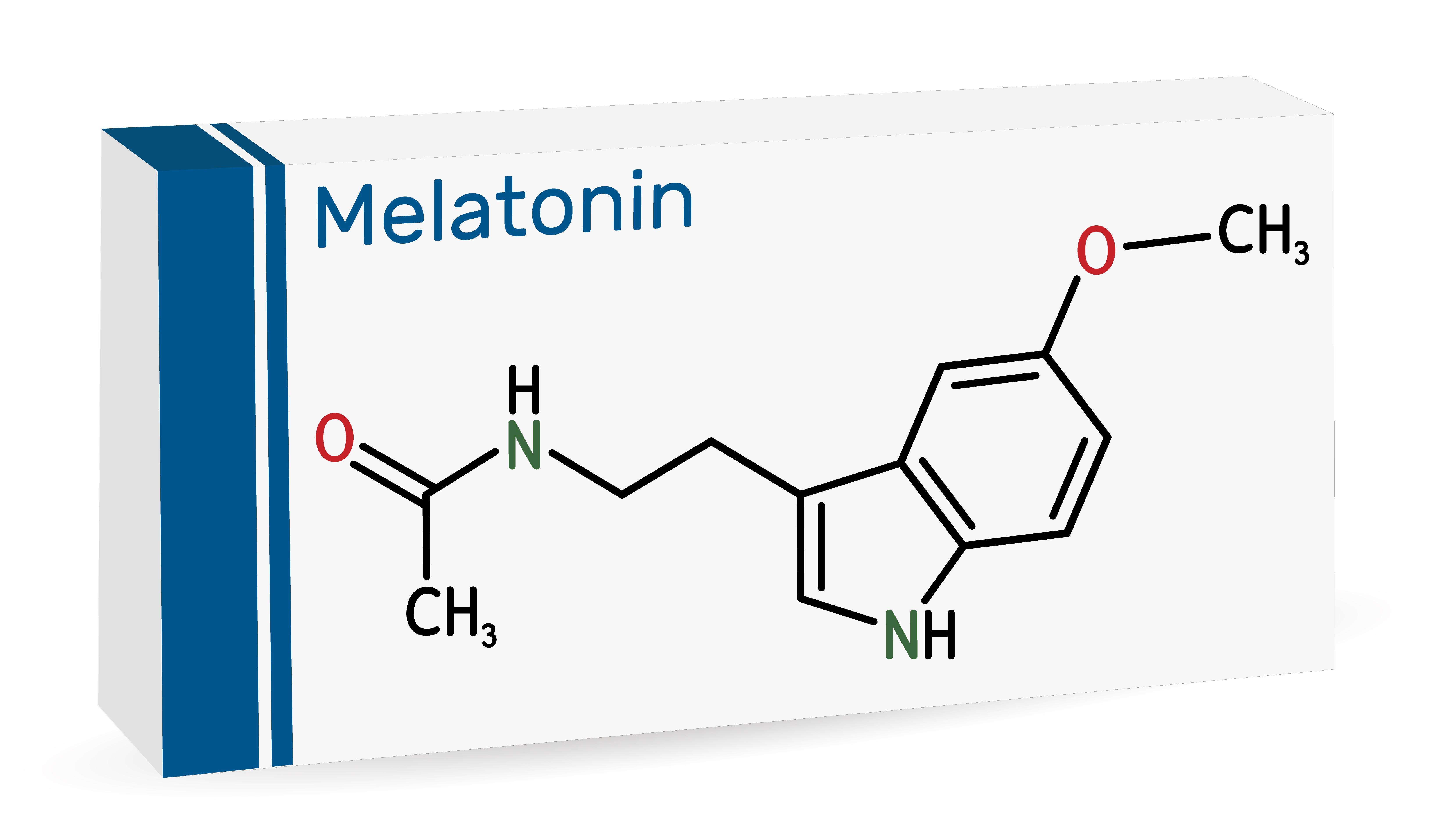
It’s estimated that about 10% of U.S. adults experience tinnitus - the perception of sound (e.g., buzzing, humming, ringing) when no actual noise is present. Treatment options are limited, so be ready to counsel patients on natural alternatives as they search for relief.
Melatonin, a commonly used supplement, has mixed results. Some research shows that 3 mg nightly reduces tinnitus intensity and improves sleep quality in people with chronic tinnitus, with the greatest effects seen in men, those without prior tinnitus treatment, and those with noise exposure history. Another study even found melatonin more effective than sertraline, which is sometimes used to treat tinnitus. However, other trials show no significant benefit after 30-40 days. The inconsistent findings make it difficult to recommend. But, if patients take it, they should know it may increase bleeding risk when combined with other anticoagulants or antiplatelets.
Alpha-lipoic acid might benefit specific patients with tinnitus. An observational study found improvements in audiometric parameters and tinnitus handicap scores in patients with tinnitus linked to cochlear dysfunction and metabolic syndrome. But patients with tinnitus from acoustic nerve lesions didn't see any benefit. Furthermore, the study lacked a comparator group, limiting these findings. And keep in mind, common side effects include headache, heartburn, nausea and vomiting.
Acai has minimal evidence. One small study found that taking dried acai pulp extract daily decreased tinnitus discomfort compared to baseline, but here’s the catch - the placebo group showed similar improvements. So, it’s unclear if acai truly helps. If patients want to try it, remind them that acai may raise or lower fasting blood glucose levels and could affect glycemic control, especially for patients taking medications for diabetes.
Lastly, be prepared to discuss ginkgo and zinc – patients often ask about these or may already be taking them, but the evidence doesn’t show they help with tinnitus relief.
Patients may need to work with an audiologist or ear, nose, and throat specialist to address underlying causes, and they should be encouraged to inform their healthcare provider about any new supplements they’re trying.
To review other potential therapies, check out our “Effectiveness by Condition” tool.