Not Just for Athletes: Creatine's Emerging Role in Mental Health
Atorvastatin Interactions: Foods and Supplements to Watch
Beyond GLP-1s: Weight Loss Alternatives to Consider
Feed Your Mind: The Food-Cognition Connection
Now Streaming: Sea Moss
New CE: Top-Selling Nutritional Supplements
Monograph Update: Palmitoylethanolamide (PEA)
Feed Your Mind: The Food-Cognition Connection
June 2026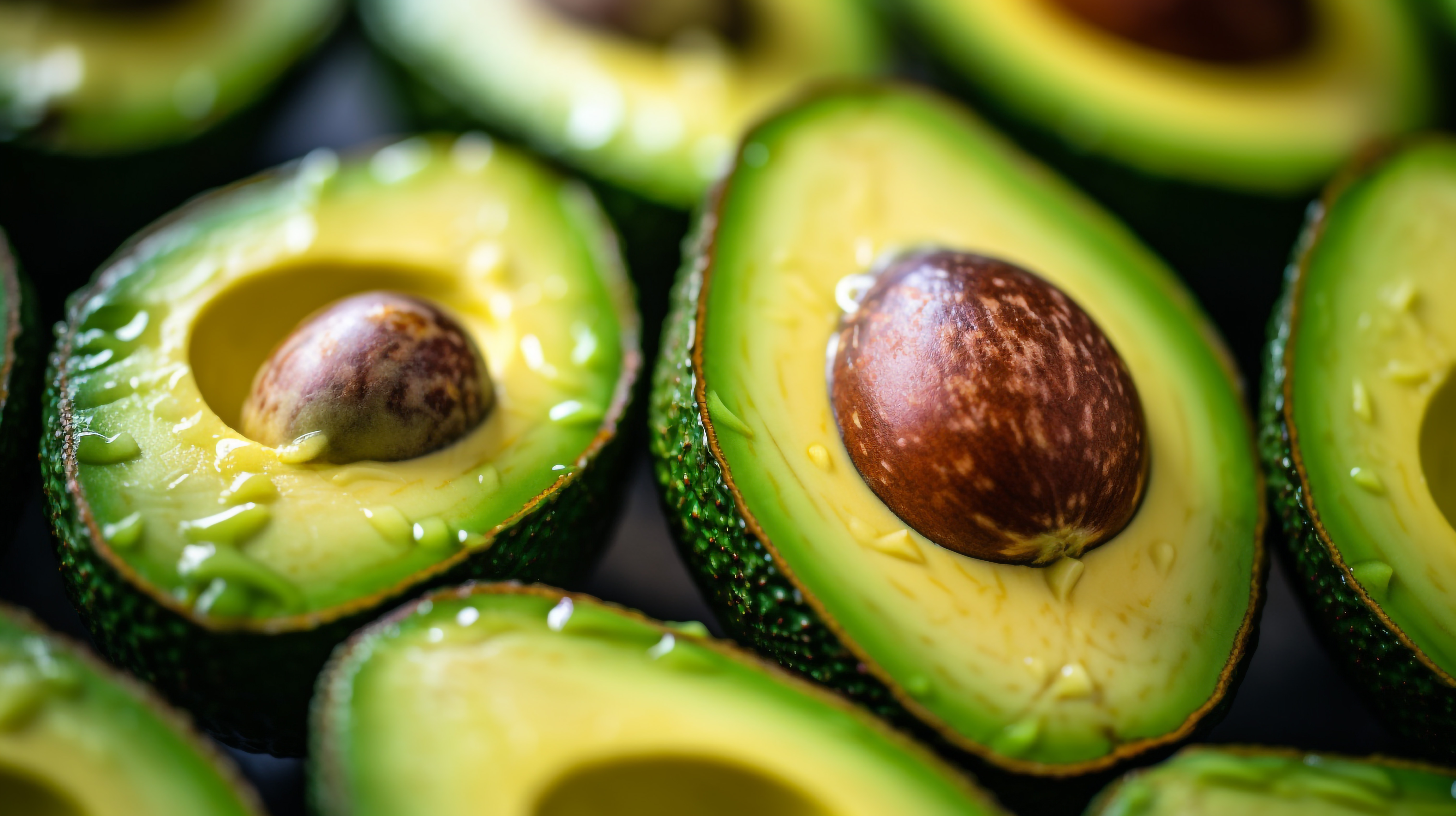
Reviewed 5/14/26 by the NatMed Clinical Team
Top Takeaways
Some foods like avocados, blueberries, and cranberries show early promise for cognitive health, but evidence is mixed and often limited to specific memory measures. The Mediterranean diet has the strongest overall support for reducing cognitive decline.
Recent research linking junk food to cognitive decline and memory problems has been making headlines. Naturally, this raises the question: what should we be eating to keep our minds sharp? Here’s what the evidence shows.
Does the Mediterranean diet benefit cognitive function?
Yes, following the Mediterranean diet, a plant-based eating pattern, shows promise for cognitive health in older adults. Long-term observational studies suggest that men who closely follow this diet have 25-36% lower odds of cognitive decline over 22 years. That said, observational research connects the diet to better memory and overall cognition, and clinical trials demonstrate improvements in delayed recall and working memory, but not necessarily in other areas.
Which specific foods should patients eat to improve cognitive health?
Avocados have been associated with better memory performance, including immediate learning and delayed recall, in older adults. Blueberries show mixed results. In children, blueberry drinks provide minor benefits in auditory-verbal learning and delayed memory, though effects aren’t consistent. In young adults, a blueberry and grape extract improved performance on math tasks but didn’t enhance other cognitive measures. Cranberries may help with age-related decline, with one study showing improved visual episodic memory in older adults consuming freeze-dried cranberry powder.
Do any vegetables have supportive evidence for cognitive function?
In general, the evidence is weaker. Spinach hasn’t demonstrated any cognitive benefits, and while beetroot juice may slightly improve test completion times, the results may not be clinically meaningful. However, beet extract tablets have shown some promise for improving memory capacity.
Are there any safety concerns to keep in mind?
Potentially, especially when consuming specific foods in large amounts. If patients want to incorporate these foods, counsel them on the possible risks. For example, large quantities of beets may worsen kidney disease, and cranberry juice could increase kidney stone risk.
What’s the bottom line?
Given the limited and mixed evidence on individual foods and cognitive function, a good approach is to encourage patients to maintain a balanced, nutrient-rich diet and to discuss any significant dietary changes with you.