Sea Moss 101: Separating the Hype from the Hard Evidence
Breaking Down Black Cohosh and Soy for Menopause
Helping Parents Navigate Supplement Safety in Kids and Teens
Beyond Sleeping Pills: A Look at Nonpharmacological Approaches
Now Streaming: Managing Migraines
Monograph Update: Acupuncture
Lyme Disease Awareness Month
Helping Parents Navigate Supplement Safety in Kids and Teens
May 2026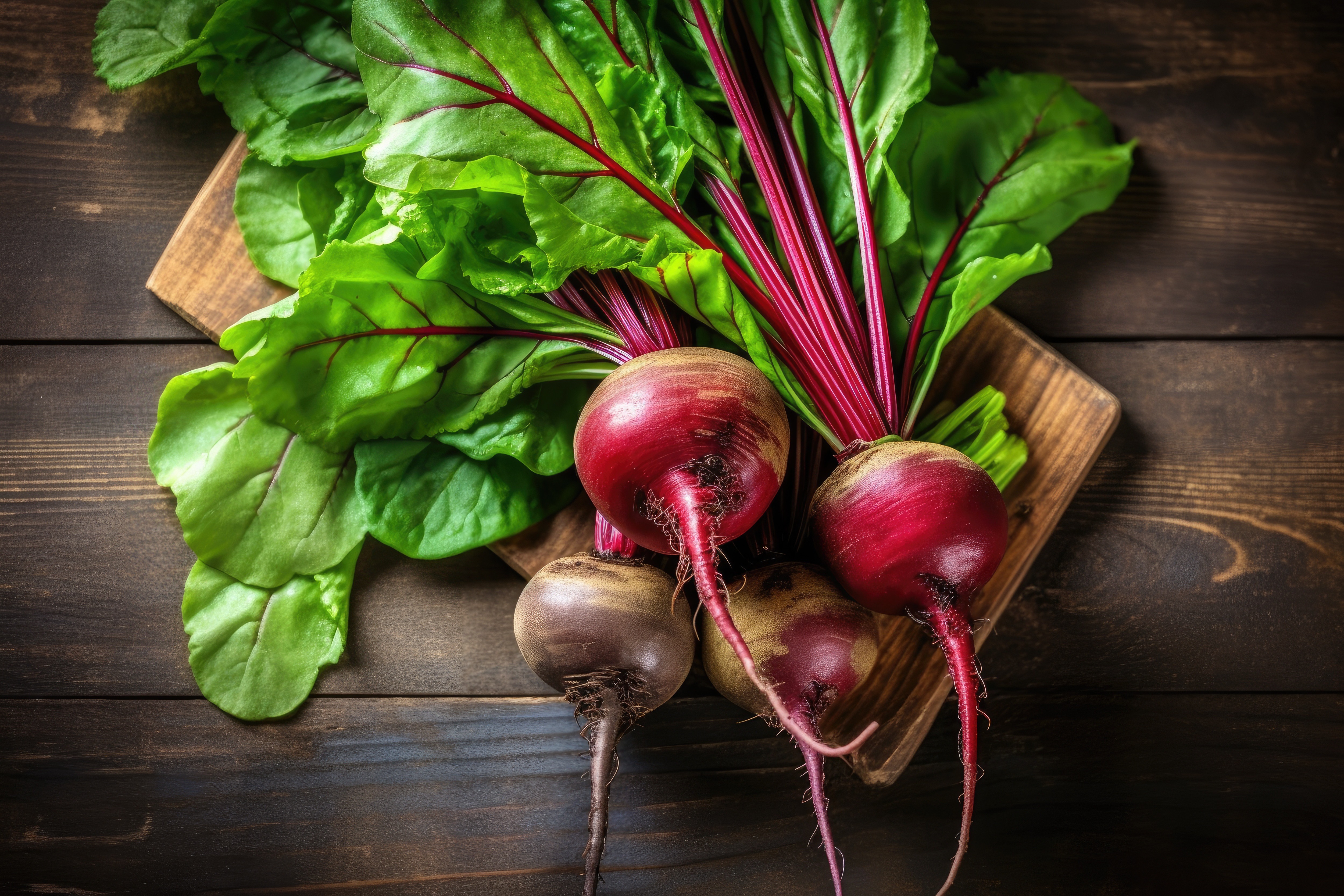
Reviewed 4/15/26 by the NatMed Clinical Team
Top Takeaways
Beet and ashwagandha lack clinical data supporting their use in kids – advise sticking to food amounts of beet and avoiding ashwagandha altogether until more safety data exists. Most natural medicines are understudied in children, so counsel parents to consult a pediatrician before giving any supplement.
Supplement use in kids and adolescents is on the rise – particularly beet and ashwagandha. Help parents navigate this evolving landscape with a close eye on safety.
Why are kids taking beet juice?
The same reason many adults use it – athletic performance.
Does beet help athletic performance?
In adults, the data says it might, but we don’t know whether it benefits kids – there’s no good clinical data specifically evaluating its use in kids. Even in adults, the data on dosing and specific use cases are murky.
Is beet safe for kids?
Taking beet or beet juice in amounts commonly found in foods is the safest bet. But we don’t know if taking higher doses for medicinal purposes is safe. So advise sticking to food amounts.
Why is ashwagandha gaining popularity among kids?
Again, athletic performance.
Does ashwagandha benefit athletic performance?
It’s not clear. In adults, some lower quality data suggests possible benefits – it might increase aerobic capacity. But we don’t have any high-quality data evaluating its use in kids.
Is ashwagandha safe for kids?
We don’t know yet. It’s possibly safe in adults, but there are concerns about possible liver toxicity and ongoing product quality issues. Given the unknowns, and product quality concerns, it’s best to avoid use in kids until we have more data.
What’s the bottom line?
In general, most natural medicines haven’t been adequately studied in kids, even those specifically marketed for children. Counsel parents to be cautious and to discuss products with their pediatrician before trying them.
See NatMed Pro monographs to learn more. If there is pediatric safety data available, we’ll include it in our monograph Safety section under “Children.”