FAQs: Supplements in Patients with Diabetes
November 2026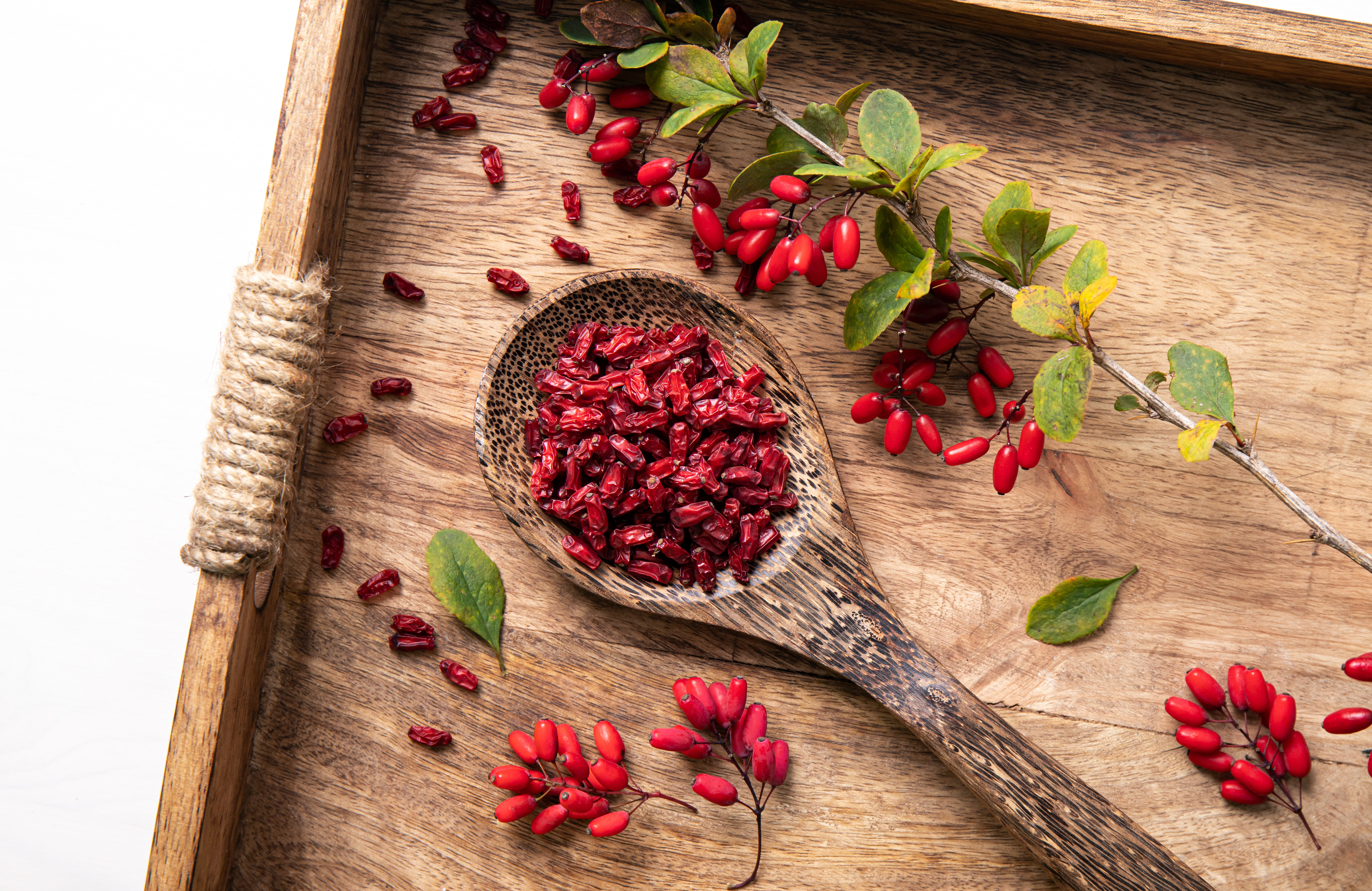
Reviewed 10/16/26 by the NatMed Clinical Team
Top Takeaways
Niacin, high-dose vitamin C, and supplements with glucose-lowering effects can all complicate diabetes management.
Ask patients with diabetes about every supplement they take, including cold remedies and berberine.
About 12% of the US population has diabetes. As supplement use reaches all-time highs, be ready to answer questions about safety and effectiveness in these patients.
Which supplements can raise blood glucose?
Watch out for niacin – niacin 4.5 grams daily for 5 weeks has been linked with an average 16% increase in blood glucose and 21% increase in glycated hemoglobin (HbA1c) in patients with diabetes. Up to 35% of patients with diabetes may need to increase the dose of their diabetes medication when taking niacin. But it’s worth noting that niacin’s effect on glucose seems to be dose-dependent – lower doses of up to 1.5 grams niacin daily seem to have minimal effects on blood glucose.
Can supplements interfere with CGM readings?
Yes, large amounts of vitamin C can cause falsely elevated sensor glucose readings on continuous glucose monitoring (CGM) devices. User guides for several CGM devices flag that vitamin C intakes of 500 mg or more could result in falsely elevated glucose readings – check each patient’s specific device as flagged substances vary. With cold and flu season upon us, just one Emergen-C packet can put these patients over the vitamin C limit for accurate readings – increasing the risk for unnecessary doses of insulin, possibly resulting in hypoglycemia.
Which supplements interact with diabetes medications?
Keep your eye on agents with hypoglycemic effects, like ashwagandha, alpha-lipoic acid, and fenugreek. Taking these supplements along with diabetes medications might increase the risk of hypoglycemia. Also watch for berberine. In addition to its hypoglycemic effects, there are in vitro and animal studies showing that berberine can increase the systemic exposure and half-life of metformin, potentially increasing effects and side effects.
Do any supplements actually lower glucose or HbA1c?
Some clinical research shows that taking berberine 500 mg 2-3 times daily for 2-4 months can reduce HbA1c, fasting plasma glucose (FPG), and postprandial glucose (PPG) in people with type 2 diabetes – it might be similarly effective as metformin 500 mg 2-3 times daily. It’s usually well-tolerated – the most common side effects are GI-related. Strategies to reduce GI side effects include taking berberine with meals and starting at a lower dose.
Want to learn more?
Tune in to the next episode of the Natural Medicines Evidence in Practice podcast, where we’ll dive into these FAQs and more. Also check out our Effectiveness by Condition tool to learn more about specific therapies studied for diabetes.