Natural Medicines for Breast Cancer Prevention
October 2026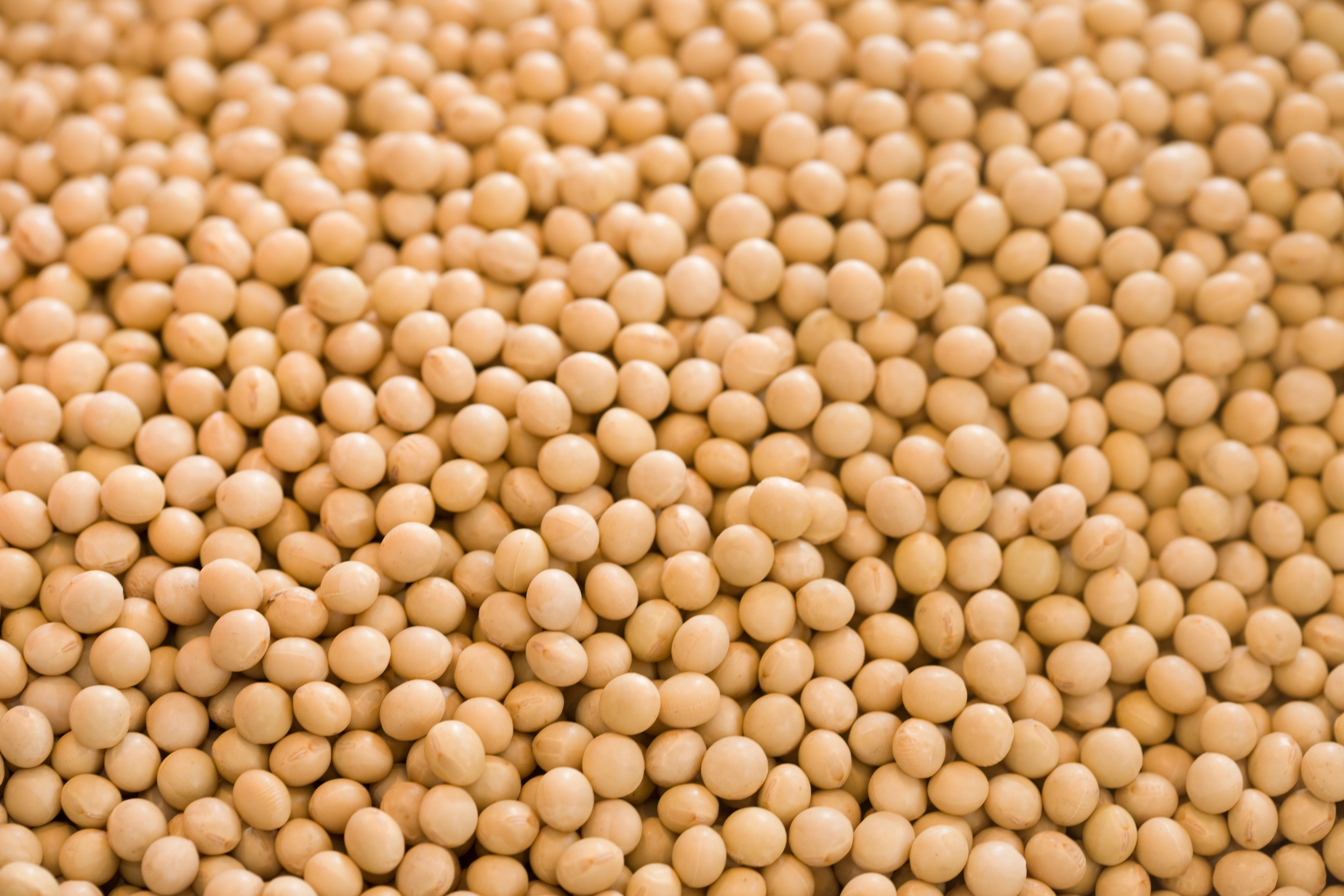
Reviewed 9/11/26 by the NatMed Clinical Team
Top Takeaways
Dietary soy, not supplements, is linked to reduced breast cancer risk and recurrence, though the preventive effect is most consistent in Asian populations with higher intake levels than typical Western diets.
Evidence for breast cancer prevention is strongest for dietary patterns – soy and olive oil – rather than individual supplements. Black cohosh's effect on breast cancer risk remains unclear.
Many natural medicines have been studied for breast cancer prevention in recent years. Let’s review the latest evidence in honor of Breast Cancer Awareness Month.
Does soy help prevent breast cancer?
The data on this have been confusing. Most population research has found that higher dietary intake of soy is linked with up to a 26% reduced risk of developing breast cancer when compared with lower intake. But there’s a catch – this effect seems to be most consistent in Asian populations as the Western diet typically contains too little soy to have a preventative effect, even in those with the highest intake. And soy supplements don’t seem to offer the same benefits. Also limited population research suggests that consuming a diet high in soy is associated with up to a 25% reduced risk of breast cancer recurrence.
Should patients increase olive oil intake to reduce breast cancer risk?
It might help. Most epidemiological research shows that higher olive oil consumption in the diet is associated with a lower risk of developing breast cancer. Plus, olive oil might offer benefits for other conditions, such as heart disease and diabetes. While we don’t have solid clinical data on this, it’s likely safe and may have benefits beyond breast cancer prevention.
Does black cohosh prevent breast cancer?
It’s unclear. Black cohosh has estrogen-like effects that are exerted by an unknown mechanism, so it’s been of interest for many hormone-related conditions, particularly menopause. While one observational study suggests that taking black cohosh supplements is linked with a decreased risk of breast cancer, other population-based studies have found no difference. There have also been reports of liver damage related to black cohosh, although the data on this aren’t conclusive. For now, consider monitoring liver function if patients are taking black cohosh.
What’s the bottom line?
Most supportive evidence for breast cancer prevention is related to the diet, not supplements. Advise focusing on healthy dietary choices, exercising regularly, and limiting alcohol intake.