Managing Migraines
April 2026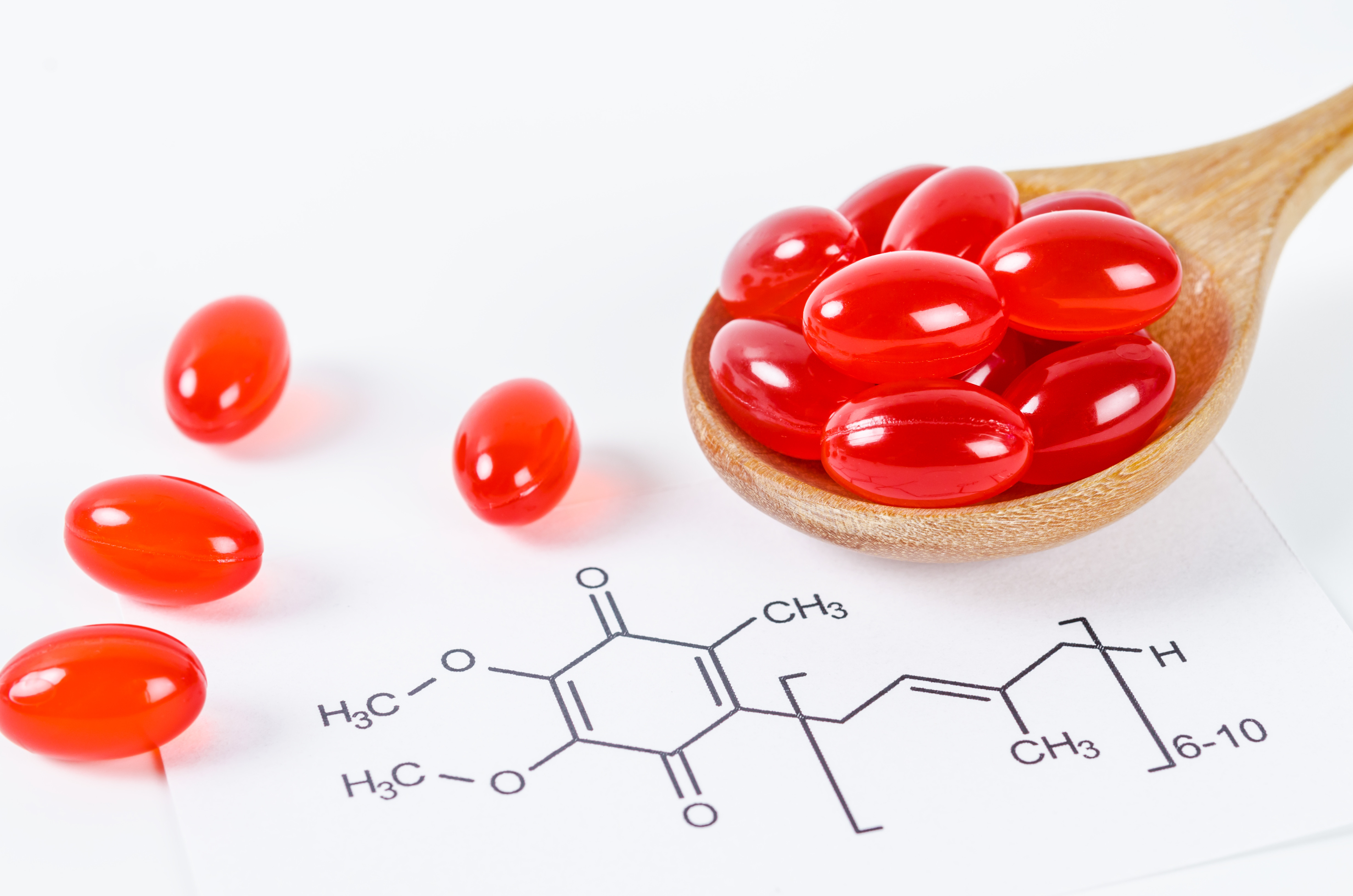
About 10% of the population is affected by migraines. Managing symptoms is often an ongoing battle – leading many patients to turn to natural medicines for both prevention and treatment. Be prepared to counsel these patients.
Butterbur may come up for prevention. Clinical research shows that taking a specific butterbur extract 75 mg once or twice daily for up to 16 weeks reduces the frequency of migraines by about 48%. If patients want to give it a try, it seems to be well-tolerated. But advise looking for products standardized to 15% petasin and isopetasin, the active constituents in butterbur. This is similar to the product studied in clinical research. And tell patients to only use products certified and labeled as pyrrolizidine alkaloid (PA)-free. Butterbur naturally contains toxic PAs, which can cause serious hepatotoxic adverse effects.
Coenzyme Q10 is another option worth considering – the American Academy of Neurology considers oral coenzyme Q10 to be possibly effective for migraine prevention in adults. Meta-analyses show that it can reduce both frequency and severity. Plus, it’s likely safe with no serious adverse effects reported. As for dosing, explain that most studies have used coenzyme Q10 100-400 mg by mouth daily – but it can take up to 3 months to see improvements in migraine frequency.
Lastly, we can’t talk about migraines without mentioning caffeine. Taking caffeine 100-260 mg orally together with acetaminophen 500-2000 mg, aspirin 500 mg, and/or sumatriptan 50-100 mg is effective for treating migraine headache. But remind patients not to exceed doses of 400 mg daily – this can lead to sleeping problems, nausea, and increased heart rate. Plus, larger doses can potentially trigger or make migraine headache worse.
Take advantage of our Effectiveness by Condition tool to learn about other therapies studied for migraine, including riboflavin, melatonin, and magnesium.