What Works for Constipation Relief?
April 2026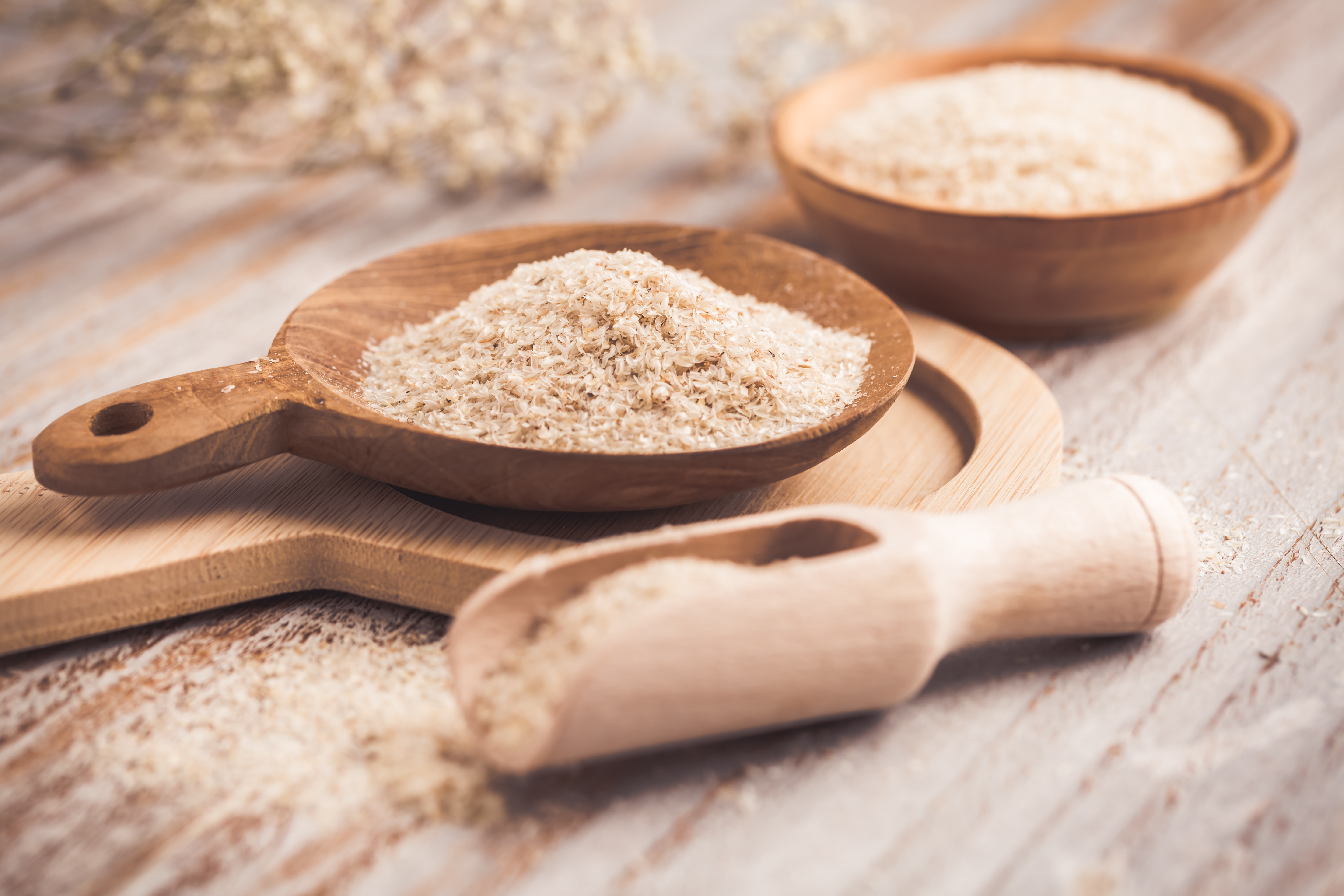
Constipation is a common digestive complaint, yet many people struggle to find effective relief. With numerous over-the-counter (OTC) products, it can be difficult to know where to start.
The British Dietetic Association recently published guidelines for the dietary management of chronic constipation in adults, highlighting treatment options like psyllium, magnesium oxide, kiwi, and rye bread. But what does the evidence show?
Psyllium is a widely available ingredient in OTC products. Clinical research on blond psyllium for constipation demonstrates increased stool frequency, softened consistency, and reduced straining, at doses of 7-24 grams daily for up to 8 weeks. Some evidence suggests psyllium alone for 7 days relieves constipation as effectively as combination products also containing senna or docusate sodium. Black psyllium works within 12-72 hours, with maximum benefit after 2-3 days of continued use. However, patients should be counseled that side effects such as bloating, flatulence, and diarrhea may occur.
Magnesium salts including citrate, hydroxide, oxide, and sulfate are effective for both acute constipation and chronic idiopathic constipation (CIC). More specifically, clinical studies have shown that magnesium oxide at 1.5 grams increased spontaneous bowel movements. It was also given a conditional recommendation for managing CIC in the 2023 American Gastroenterology Association and American College of Gastroenterology guidelines. But tell patients that these should only be used short-term and taken with a full 8-ounce glass of water.
While these supplements are frequently recommended and used, some patients may be interested in food-based options. The evidence here is limited but promising.
For example, eating dried plums (prunes), 50 grams twice daily for 3 weeks, improved straining, consistency, and increased weekly bowel movements - performing as effectively as psyllium 11 grams daily. Additionally, dried plum juice reduced hard stools and increased normal stools. Consuming two kiwi fruits daily for 4 weeks increased complete spontaneous bowel movements from 2 to 4 per week. And eating whole-grain rye bread 240 grams or more also improved stool frequency and softness. However, counsel patients on the potential for increased bleeding when plums or kiwis are combined with antiplatelet or anticoagulant drugs.
Be aware, you might also hear about viral social media trends like “internal showers” – which involve drinking a glass of chia seed water to promote a “cleansing” bowel movement. While chia seeds are rich in dietary fiber, there isn’t any clinical evidence supporting this use.
When patients inquire about effective treatment options or alternative dietary approaches, share the available evidence while encouraging them to consult with their health care provider first to ensure the approach is appropriate and safe.
For more evidence-based approaches for the treatment of constipation, check out our Effectiveness by Condition tool.