Natural Medicines for Pain
September 2026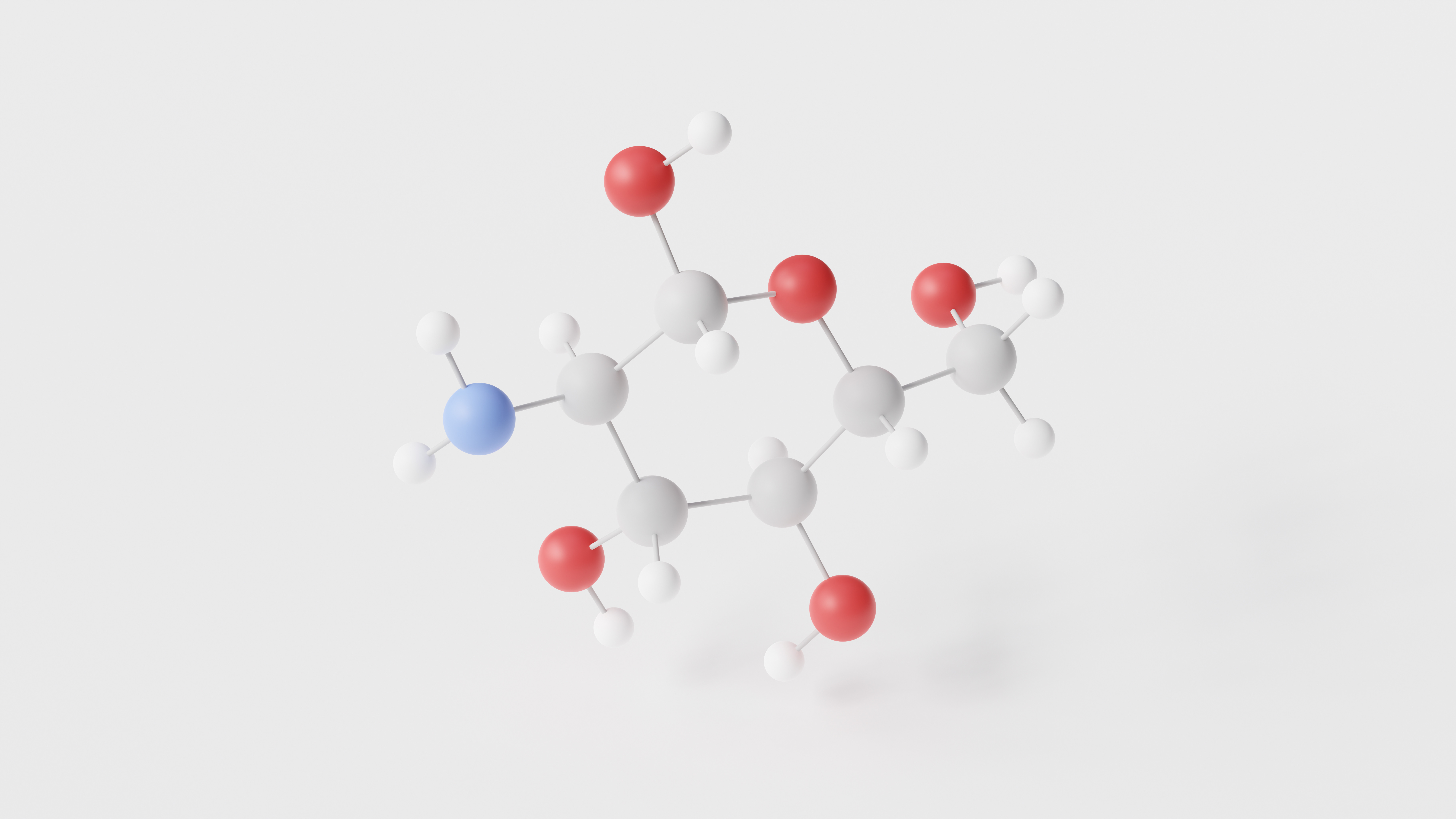
Reviewed 8/14/26 by the NatMed Clinical Team
Top Takeaways
Many popular natural medicines, including chondroitin, glucosamine, turmeric, and CBD have been studied for pain – evidence of benefit often varies by product quality and formulation.
Most are generally well-tolerated, but liver-related side effects have been reported for some.
It’s estimated that 50 million Americans battle chronic pain – and at least 60% of those with arthritis or other musculoskeletal pain have tried complementary and alternative medicine. This month we have a new 1-hour CE course available on this topic. Let’s dive into a few commonly used remedies.
Do chondroitin and glucosamine reduce osteoarthritis pain?
Chondroitin sulfate seems to modestly reduce osteoarthritis pain – meta-analyses support using 600-2000 mg daily for at least 3 months. And pharmaceutical-grade products show the most benefit. But the overall evidence is mixed, and study quality varies. Chondroitin appears to be generally well-tolerated, with safe use documented in doses up to 2000 mg daily for up to 6 years.
As for glucosamine – evidence of benefit varies by form. Taking glucosamine sulfate by mouth for at least 4 weeks modestly improves knee osteoarthritis pain. But glucosamine hydrochloride only seems to be beneficial when taken in combination with chondroitin or the medication celecoxib. Like chondroitin, glucosamine is generally well-tolerated. Glucosamine sulfate has been used safely at doses of 1000-1500 mg daily for up to 3 years.
It’s worth noting that many supplement products include both glucosamine and chondroitin – but research on the use of combination products is less conclusive. It’s often unclear whether improvements are due to glucosamine, chondroitin, other ingredients, or the combination.
Does turmeric reduce osteoarthritis pain?
Multiple meta-analyses show that turmeric extracts and curcuminoid products, taken alone or in combination products, reduce osteoarthritis knee pain. Specific products containing curcumin 90-100 mg taken twice daily or turmeric extracts 500 mg taken twice daily for 6-12 weeks have shown consistent improvements in pain. But it’s not clear how it compares to non-steroidal anti-inflammatory drugs (NSAIDs). It’s generally well-tolerated in doses up to 8 grams of curcumin, the active constituent in turmeric, daily for up to 2 months. Common side effects include stomach upset and nausea. More serious concerns include liver damage, with several reported cases of hepatotoxicity – keep an eye on this for any patients with a history of liver damage.
Does cannabidiol (CBD) help with osteoarthritis pain?
Evidence is limited and mixed. One clinical study shows that CBD doesn’t improve pain in adults with joint disease, including hand osteoarthritis. Conversely, another study found that topical CBD improves pain in patients with thumb basal joint arthritis. CBD is generally well tolerated, but side effects may occur. The most common are gastrointestinal, including diarrhea and nausea. At high doses, liver enzyme elevations and drug-induced liver injury have occurred. Consider monitoring liver function.
What’s the bottom line?
Many natural medicines have been studied for pain – evidence of benefit and product quality varies. To learn more about therapies for osteoarthritis pain and other types of chronic pain, check out our new 1-hour interactive CE course on Natural Medicines for Pain in Adults: Clinical Evidence and Safety. Also take advantage of our Effectiveness by Condition tool to learn about other therapies studied for specific types of pain, like SAMe.