Nattokinase Gaining Traction: What Clinicians Need to Know
July 2026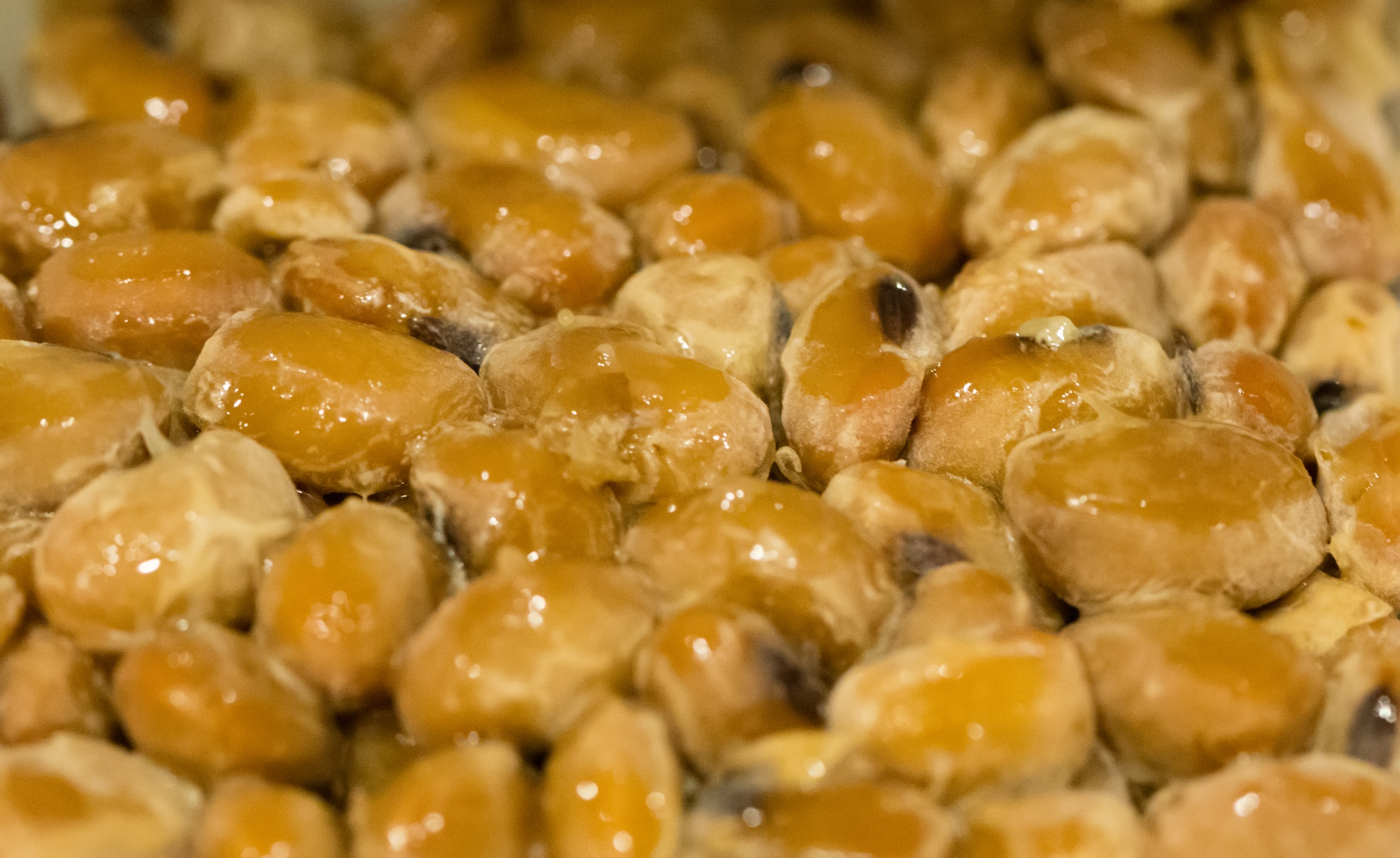
Reviewed 6/12/26 by the NatMed Clinical Team
Top Takeaways
Nattokinase is gaining popularity for cardiovascular health, but clinical evidence supporting its use remains limited. Advise caution in patients taking anticoagulants, antiplatelets, or antihypertensives, as nattokinase may increase bleeding risk and lower blood pressure.
Expect more questions about nattokinase as it’s increasingly used for cardiovascular health.
What is nattokinase?
It’s an enzyme that comes from natto – a traditional Japanese food that’s been used for at least 1,000 years. Natto is made by fermenting soybeans with the probiotic Bacillus subtilis. Nattokinase is produced through this fermentation process – it’s not found in other soy foods.
Why are people using nattokinase?
It’s increasingly promoted for cardiovascular health – particularly among wellness influencers focused on longevity. It’s touted for preventing blood clots, primarily due to its ability to break down the clot-forming protein fibrin. Animal and lab data suggest nattokinase breaks down fibrin four times faster than plasmin in the body. It’s also used to reduce blood pressure and arterial plaque.
Does nattokinase improve cardiovascular health?
It’s unclear. Currently, strong clinical data supporting its use for any cardiovascular condition are limited. A retrospective observational study frequently cited by influencers found that taking nattokinase 10,800 fibrinolytic units (FU) daily for 12 months was linked with a 22% reduction in artery wall thickness and a 36% reduction in plaque in patients with hyperlipidemia and/or mild atherosclerosis when compared to baseline. But these findings are limited by the study’s retrospective nature and lack of control group. And a separate placebo-controlled study found no benefit.
As for hypertension, taking nattokinase 2000 FU daily for 8 weeks was shown to reduce systolic blood pressure by 6 mmHg and diastolic blood pressure by 3 mmHg in patients with high blood pressure when compared with placebo. But it doesn’t seem to affect patients with normal blood pressure or controlled hypertension. Regarding cholesterol, nattokinase doesn’t seem to help – and a meta-analysis suggests that it might slightly increase low-density lipoprotein (LDL) and lower high-density lipoprotein (HDL) cholesterol.
Is nattokinase safe?
It’s been consumed safely as food for hundreds of years in Japan. In higher medicinal doses, it’s generally well-tolerated. Supplement products typically range from 2,000-10,800 FU. But patients already taking anticoagulant/antiplatelet and antihypertensive medications should be cautious. Nattokinase might increase the risk of bleeding and hypotension. Notably, it’s been linked to a case of intracranial hemorrhage in a patient taking low-dose aspirin for stroke prevention.
What’s the bottom line?
Despite the growing buzz online, clinical data supporting nattokinase for most cardiovascular conditions remain limited. Safety concerns are low for patients not currently on blood thinners or antihypertensives, but advise caution in patients already taking these medications. Check out our NatMed Pro monograph to learn more.