Ube Everywhere
July 2026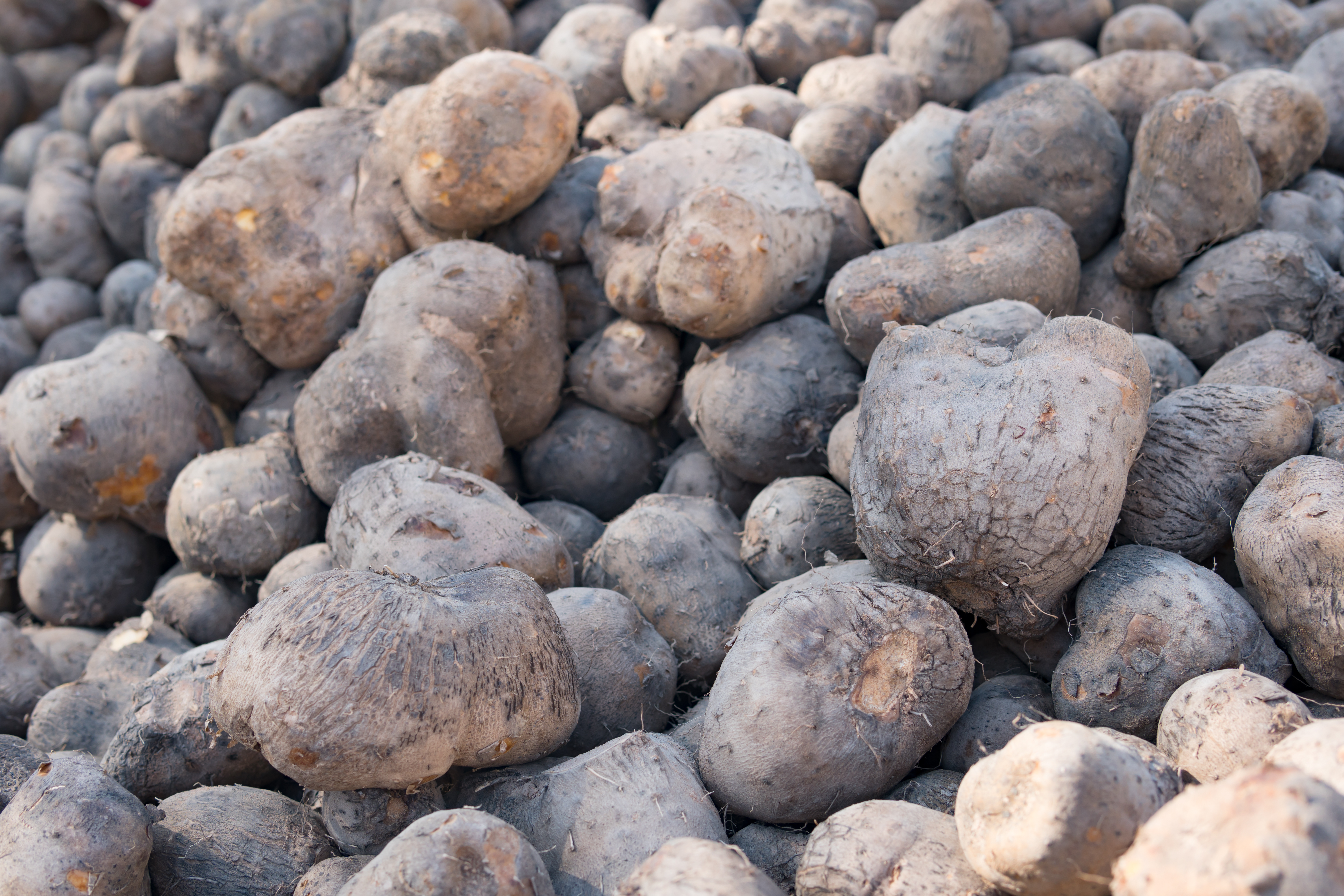
Reviewed 6/12/26 by the NatMed Clinical Team
Top Takeaways
Ube is a trendy wild yam known for its vibrant purple color. Despite growing interest in its medicinal uses – including for hormonal conditions like menopause – evidence of benefit is lacking.
Ube’s purple color is hard to miss. Patients add it to all sorts of foods, and questions about its potential benefits might come up. Keep your eye on this trend.
What is ube?
It’s a purple yam – a variety of wild yam (Dioscorea alata). It’s one of only about 12 wild yam species that can be eaten. Ube is native to the Philippines and other parts of Southeast Asia – it’s widely used in Filipino culture. In addition to being a popular food, it contains diosgenin, which can be used in a lab to create steroids like DHEA and estrogen.
Why are people using ube?
It’s added to foods like cakes, beverages, and ice creams for its vibrant, purple color. It’s rich in anthocyanins – the same antioxidants found in blackberry and elderberry that are believed to have anti-inflammatory effects. Beyond its culinary appeal, there’s also interest in using it for hormonal conditions such as menopause, dysmenorrhea, infertility, and sexual dysfunction, though evidence for these uses is lacking.
Is ube beneficial for any condition?
While ube is a nutrient-dense food, its potential medicinal uses are less clear. Ube and related wild yam species are sometimes called natural DHEA due to their diosgenin content. While diosgenin can be used in a lab to make DHEA or hormones, the human body cannot do this conversion on its own, so simply consuming ube in foods or supplement form won’t increase these hormones. Wild yam species have also been studied topically – applying wild yam as a cream for 3 months appears to be no better than placebo for relieving menopause-related vasomotor symptoms, such as hot flashes and night sweats.
Is ube safe?
Ube is generally well-tolerated – it’s very commonly consumed as a food. As a supplement, it’s been used safely in doses of 50 mg (containing 8 mg diosgenin) for 12 weeks. It’s also been applied to the skin as a cream for up to 3 months. There’s theoretical concern that it might alter the effects of estrogen, so advise caution for patients on hormone therapy. Patients with hormone-sensitive conditions like breast cancer, endometriosis, or uterine fibroids should avoid wild yam, since it may have estrogenic effects.
What’s the bottom line?
Ube is a nutritious food with low safety concerns for most patients. Evidence for medicinal uses is lacking, including for menopause symptoms. Patients on hormone therapy or with hormone-sensitive conditions should use caution. Check out our NatMed Pro monograph to learn more.