New Dietary Guidelines: Quick Takeaway for Patients
What Really Works for Aging Skin?
Fibermaxxing for Colorectal Cancer Prevention
Addressing Common Vitamin K Questions
Now Streaming: What’s Behind the Nootropic Buzz
New CE: Foundations of Natural Psychedelics in Clinical Practice
NatMed Commercially Available Products
New Dietary Guidelines: Quick Takeaway for Patients
March 2026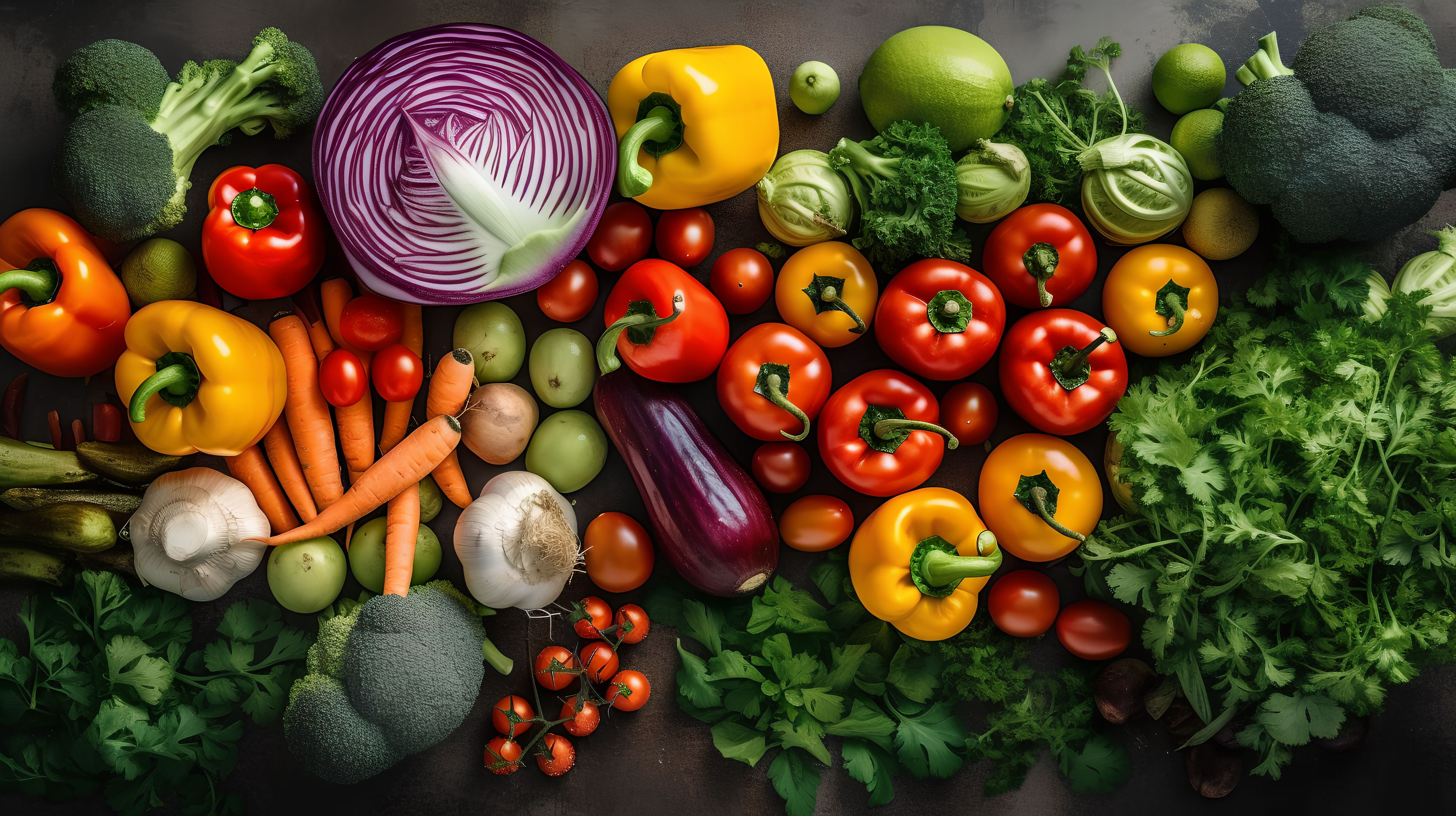
If questions come up about the new 2025–2030 Dietary Guidelines, the overall message is simple – emphasize real food. But some details have sparked debate; be ready to counsel on alcohol consumption, protein intake, and sodium restrictions.
For alcohol (beer, wine), the recommendation is straightforward – less is better for overall health. And, for some people, the safest choice is none, including those who are pregnant, individuals in recovery from alcohol use disorder, and patients with health conditions or medications that interact with alcohol. The American Heart Association also advises against starting to drink. But for those who already do, they recommend limiting intake to no more than two drinks per day for men and one per day for women - since higher consumption is linked to worse cardiovascular (CV) outcomes.
Protein remains a key focus. Updated guidance emphasizes choosing high-quality, nutrient-dense protein sources at each meal, with a target of 1.2–1.6 g/kg/day, tailored to the person and their energy needs. The guidelines encourage a variety of options such as eggs, poultry, seafood, and red meat, along with beans, lentils, nuts, seeds, and soy. On the other hand, the American Heart Association leans toward plant-based proteins, seafood, and lean meats, while recommending less higher-fat animal products (e.g., red meat, butter, lard, and tallow) due to associations with higher CV risk.
Sodium is another frequent discussion point. The newest recommended target for ages 14 and older is under 2,300 mg/day for the general population, with lower limits for younger children based on age. Practically speaking, it’s helpful to frame this as the guidelines prioritizing reduced intake of high-sodium, highly processed foods (e.g., frozen dinners, pre-packaged items). While the American Heart Association supports limiting sodium to no more than 2,300 mg/day, they note that an ideal target is less than 1,500 mg daily, which can lower systolic blood pressure by 6-8 mmHg in patients with hypertension.
Keep in mind that experts agree on many core themes including a focus on whole foods, eating a variety of colorful produce, and limiting highly processed foods. Continue to reinforce reducing alcohol consumption, choosing whole-food protein sources, and limiting sodium.
For evidence-based information on the effectiveness and safety of alcohol, protein, and sodium, refer to relevant monographs, including those on beer, wine, beef tallow, soy, and sodium.