New Dietary Guidelines: Quick Takeaway for Patients
What Really Works for Aging Skin?
Fibermaxxing for Colorectal Cancer Prevention
Addressing Common Vitamin K Questions
Now Streaming: What’s Behind the Nootropic Buzz
New CE: Foundations of Natural Psychedelics in Clinical Practice
NatMed Commercially Available Products
Fibermaxxing for Colorectal Cancer Prevention
March 2026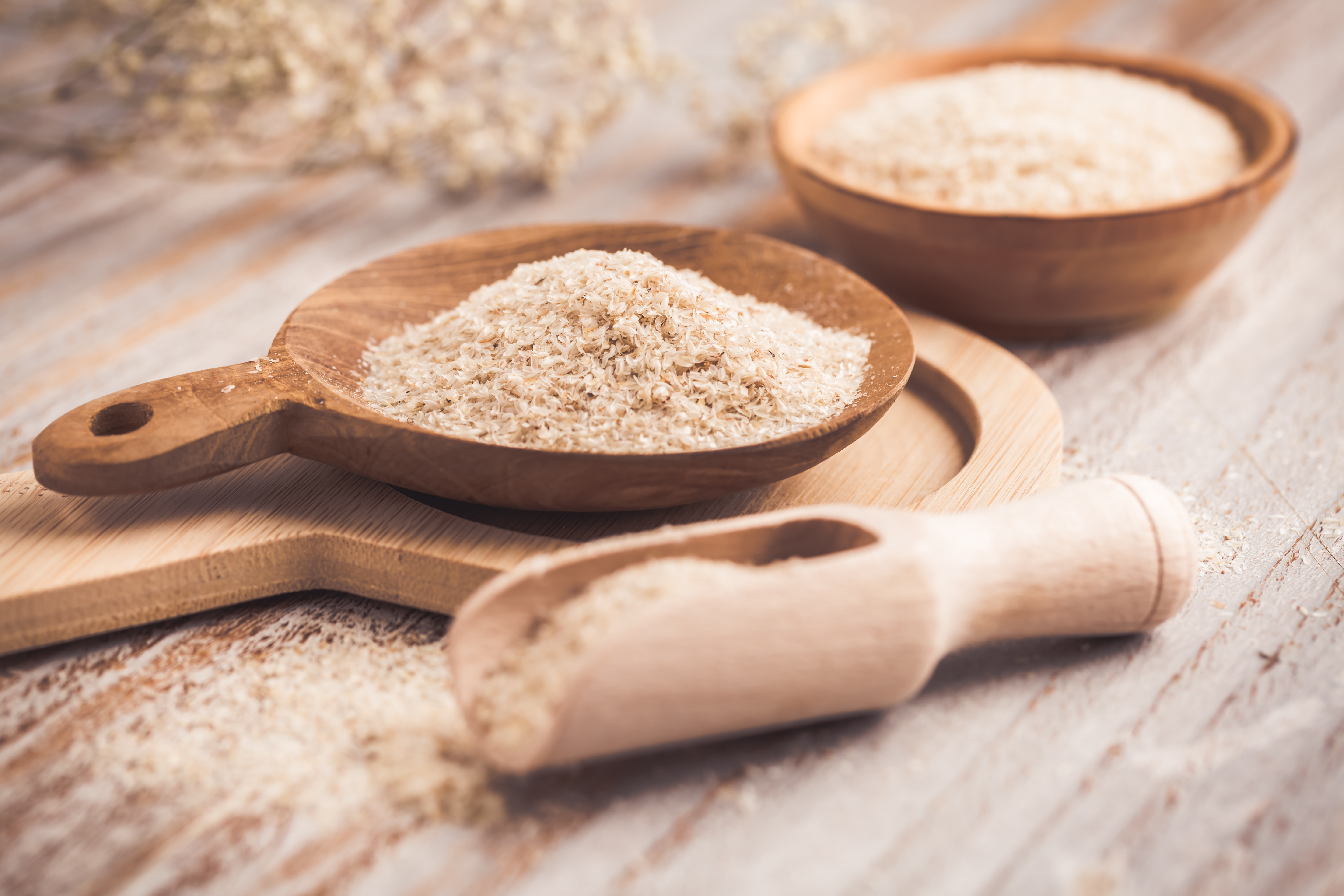
Expect trendy “fibermaxxing” to come up during Colorectal Cancer Awareness month. Let’s review what it is and what to discuss with patients.
So what is “fibermaxxing”? It’s essentially a lifestyle strategy that encourages meeting standard fiber intake recommendations of 25-30 grams daily. Most Americans only consume about 15 grams – and low fiber intake might be a factor in skyrocketing colorectal cancer rates. In addition to reducing cancer risk, consuming a high fiber diet can help patients lose weight, manage blood sugar, and reduce heart disease risk.
Remind patients that both soluble and insoluble fiber are important. Water-soluble fiber helps to slow down digestion and lower both blood sugar and cholesterol levels. Psyllium fits in this category, along with oats, barley, and others. Insoluble fiber doesn’t dissolve in water – it helps the body speed up digestion and improves bowel health. Wheat bran and rice bran fit in this category. It’s recommended that patients aim for 5-10 grams of soluble and 20 grams of insoluble fiber daily.
So what foods should you recommend to help patients meet fiber targets in their diet? Some foods contain more fiber than you think. Oatmeal, whole wheat cereals, and grains are obvious choices, but avocados are another great option – they’re rich in both soluble and insoluble fiber. One avocado provides about 3 grams of soluble and 7 grams of insoluble fiber. Almonds are also packed with insoluble fiber – ½ cup contains about 8 grams. Other nuts like pistachios and hazelnuts contain similarly high amounts per serving.
In general, encourage patients to choose whole foods that are naturally packed with dietary fiber over processed foods containing added fiber. Check out our Isolated Dietary Fibers monographs and our Fiber-Rich Common Foods chart to learn more. Also review other ingredients and therapies that have been studied for colorectal cancer.