New Dietary Guidelines: Quick Takeaway for Patients
What Really Works for Aging Skin?
Fibermaxxing for Colorectal Cancer Prevention
Addressing Common Vitamin K Questions
Now Streaming: What’s Behind the Nootropic Buzz
New CE: Foundations of Natural Psychedelics in Clinical Practice
NatMed Commercially Available Products
What Really Works for Aging Skin?
March 2026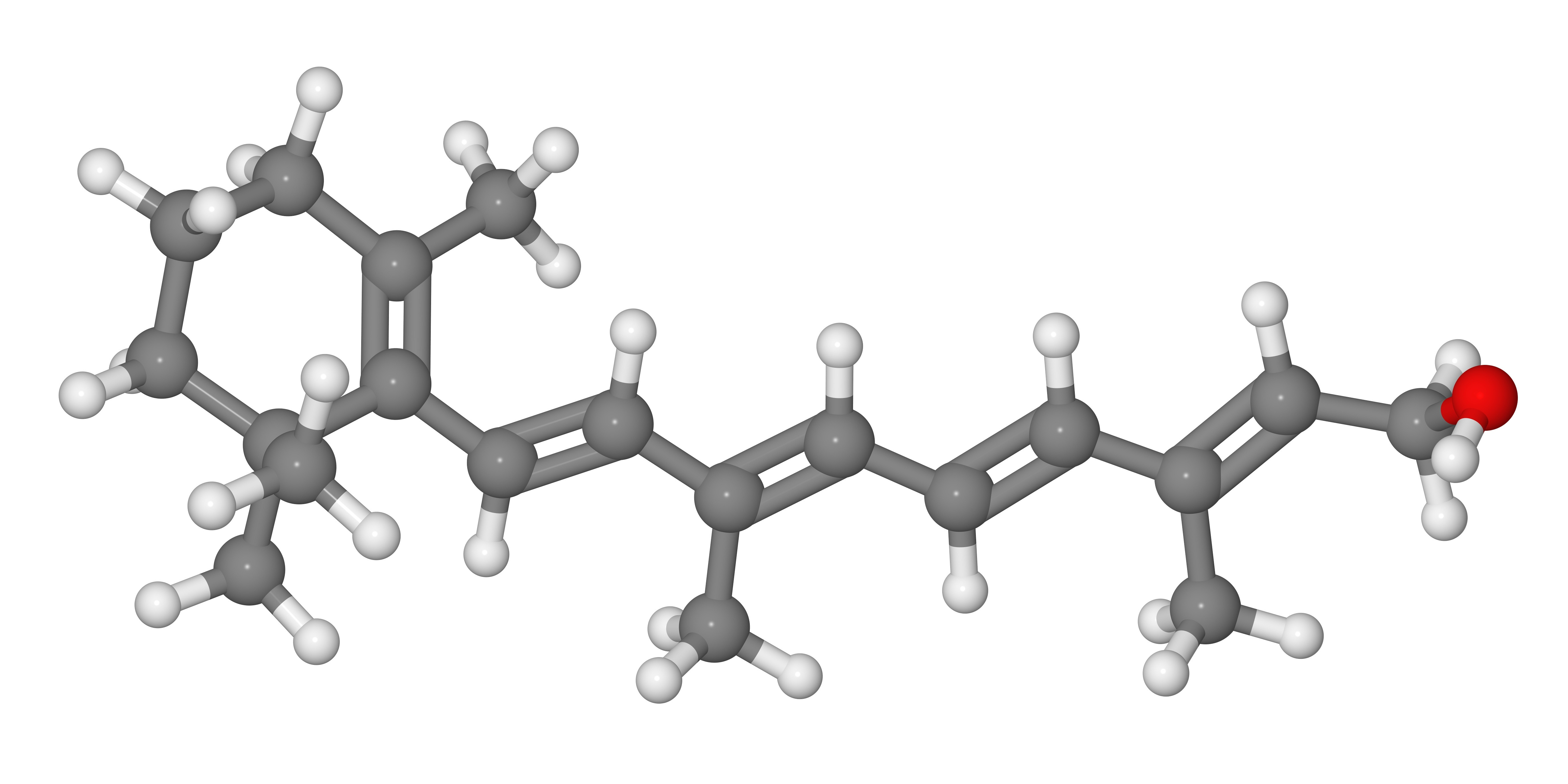
New antiaging treatments are trending, and some are unique. For example, topical bee venom or salmon sperm facials are generating buzz. While the science behind such treatments is limited or lacking, here’s what you can tell patients.
Topical vitamin A and its derivatives have the strongest evidence for antiaging benefits. Prescription tretinoin is FDA-approved for reducing fine wrinkles, hyperpigmentation, and skin roughness, but it’s not exactly the same as over-the-counter retinol products. If patients want to try non-prescription options, several small studies show that retinol concentrations ranging from 0.04% to 0.5% can reduce fine and deep wrinkles when applied daily. Combination products with retinol plus other ingredients like niacinamide or resveratrol have also shown improvements in skin tone and texture, though research is sparse. Remember to tell patients that retinoids can cause irritation, dryness, and sensitivity, especially when starting out - and don’t forget sun protection.
Glycolic acid is a well-known alpha hydroxy acid with evidence for improving skin appearance. Studies show that applying glycolic acid in a cream or lotion formulation once or twice daily reduces wrinkles and photodamage. Concentrated glycolic acid peels, used alone or with lactic acid, also improves fine lines around the eyes. Most patients tolerate it well, but side effects include mild irritation, sun sensitivity, and tingling. Higher concentrations carry a risk of more serious adverse effects such as blistering and burning. Advise patients to start with lower concentrations to avoid these complications.
DHEA shows some promise for skin aging, with studies suggesting that both topical 1% cream and oral doses of 50 mg daily are beneficial. In elderly patients, an increase in skin thickness, hydration, and sebum production was observed after oral administration, while postmenopausal patients had improvements in skin appearance and skin wrinkling after topical application. However, there is some concern that long-term oral use of DHEA may be linked to a greater risk for cancer.
Lastly, if patients ask about the hype around topical bee venom, explain that small studies suggest it may improve wrinkles around the eyes when used alone, and a combination product containing bee venom improved self-reported skin-health, but not objective skin measures in females. Notably, these studies did not include a comparator group. Furthermore, there is minimal safety data on topical use.
If patients ask, lean toward topical vitamin A or glycolic acid first since they have stronger clinical support, while noting that evidence for other products is limited. Encourage patients to set realistic expectations, prioritize sun protection, and discuss any products – especially those with hormonal effects – with their healthcare provider before using.