New Dietary Guidelines: Quick Takeaway for Patients
What Really Works for Aging Skin?
Fibermaxxing for Colorectal Cancer Prevention
Addressing Common Vitamin K Questions
Now Streaming: What’s Behind the Nootropic Buzz
New CE: Foundations of Natural Psychedelics in Clinical Practice
NatMed Commercially Available Products
Addressing Common Vitamin K Questions
March 2026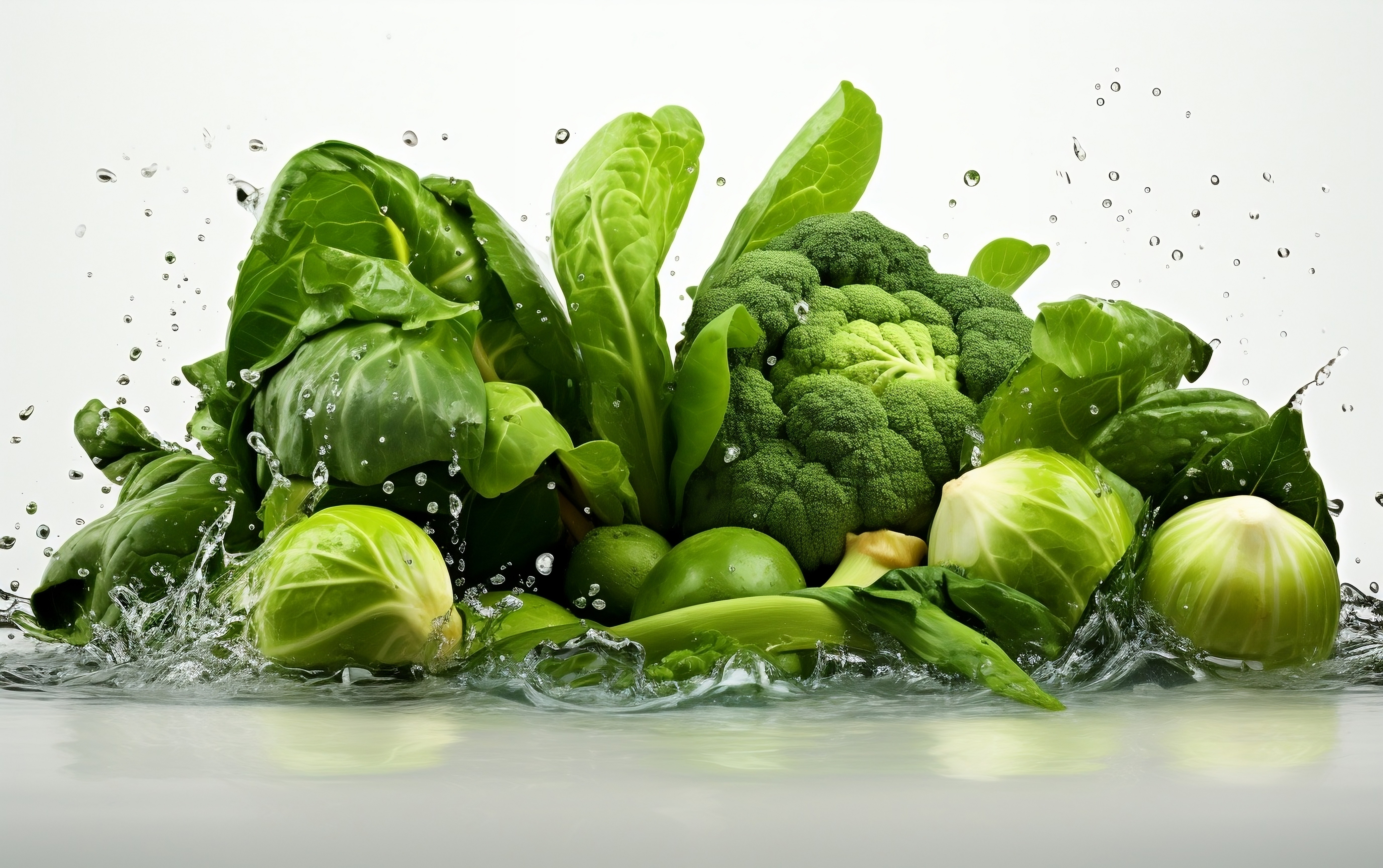
Anticipate questions about vitamin K – it’s in the spotlight for a variety of uses like metabolic dysfunction-associated steatotic liver disease (MASLD) and osteoporosis. Be prepared to explain the evidence and provide general dosing and dietary recommendations.
Let’s start with recent buzz about vitamin K for MASLD – it comes from a population-based observational study, suggesting that dietary vitamin K intake up to a threshold of about 120 mcg daily, or about 1 cup of raw spinach, is linked with reduced risk of death in patients with this condition. While notable, tell patients that stronger data are needed for confirmation. Explain that the threshold evaluated in this study is close to adequate intake recommendations of 120 mcg for adult males and 90 mcg for adult females daily – easily attainable via one cup of leafy greens.
Vitamin K is also often used for osteoporosis – taking vitamin K supplements might reduce the risk of fractures and bone loss in these patients. Both vitamin K1 and K2 have been studied for this use, but it’s not clear which form or what dose is best. Explain that most studies have used the MK-4 form of vitamin K2 at 45 mg daily – some product labels might list this as “menatetrenone” rather than MK-4.
Patients might also be curious about vitamin K1 vs K2 in general. Explain that while vitamin K1 is effective for some blood and coagulation disorders (such as excessive anticoagulation due to warfarin), data on which form might offer the most benefit for other conditions is often unclear. Plus, dietary guidelines don’t specify how much vitamin K1 vs K2 should be consumed daily. K1 is the most common form in the Western diet – leafy greens like kale and spinach typically provide enough in one serving. K2 is found in variable amounts in fermented cheeses and animal sources like chicken – 4 ounces of breast meat contains about 10 mcg of vitamin K2 while the same amount of dark meat contains about 60 mcg.
Check out our recently updated monograph to learn more about vitamin K. And review our vitamin K-rich foods chart for other dietary recommendations.