Toxic Yellow Oleander in Weight Loss Products
October 2026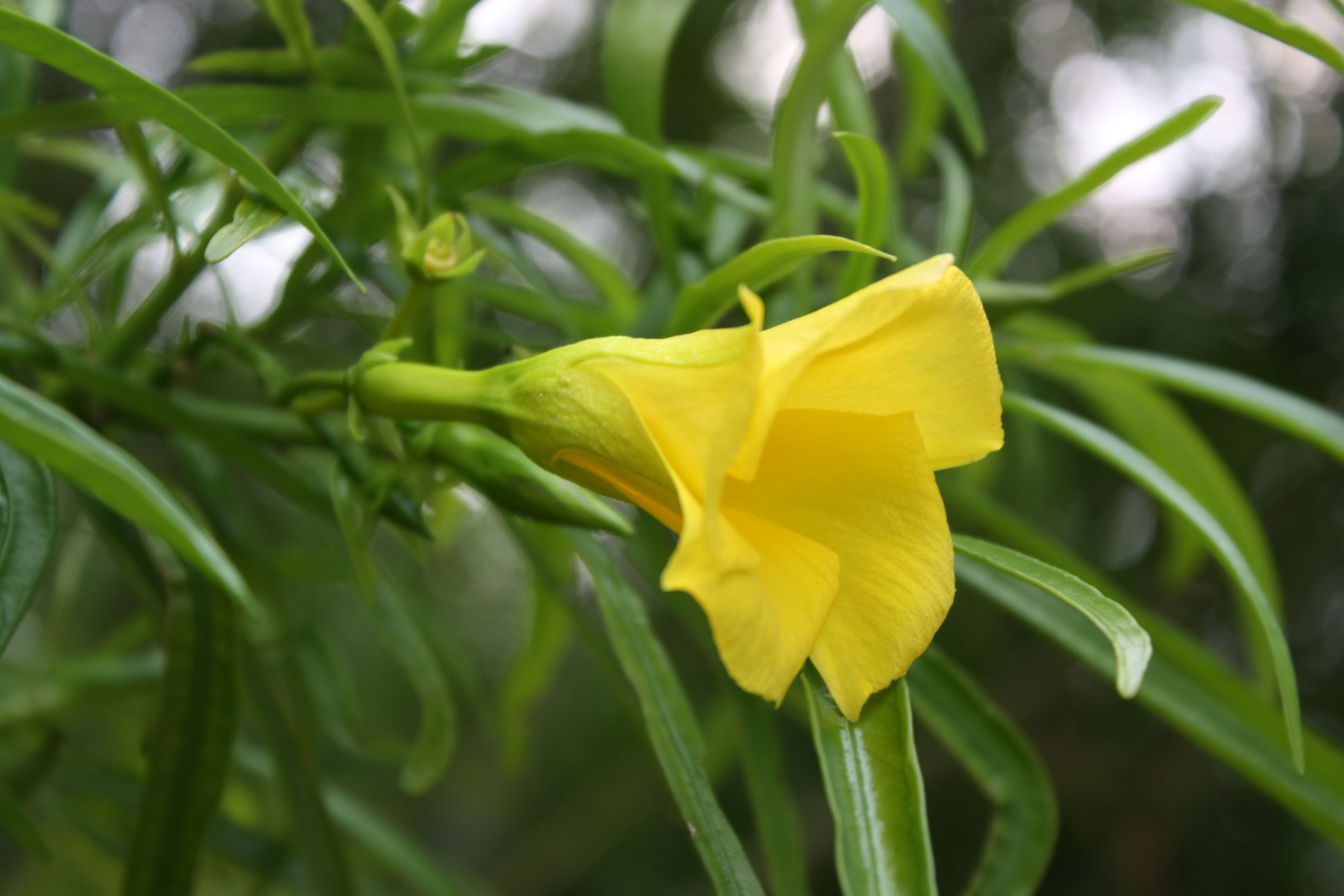
Reviewed 9/11/26 by the NatMed Clinical Team
Top Takeaways
Weight loss products labeled as tejocote, Nuez de la India, or Brazil seeds have repeatedly tested positive for toxic yellow oleander instead of the labeled ingredient – advise patients to avoid these products entirely.
Oleander toxicity mimics digoxin poisoning, including nausea, vomiting, and arrhythmias – recognize the pattern quickly, as it can be life-threatening.
Toxic yellow oleander continues to show up in weight loss dietary supplements, despite a years-long effort by the FDA to address this ongoing safety concern. Talk to patients about these risky supplements.
What is yellow oleander?
Yellow oleander (Thevetia peruviana) is a flowering shrub that mainly grows in temperate and sub-tropical climates such as Mexico. All its plant parts contain toxic cardiac glycosides – consuming oleander has led to both fatal and non-fatal poisonings. As few as 2 seeds can lead to death.
What products contain yellow oleander?
It’s primarily found in weight loss products labeled as tejocote (Crataegus mexicana), or Mexican hawthorn. Products might also list Nuez de la India or Brazil seeds. An emergency physician’s report back in 2022 prompted the CDC and FDA to launch an investigation. Since then, at least 25 products have been found to contain toxic yellow oleander.
How can clinicians help?
Advise patients to steer clear of all tejocote root products and to be very cautious about using any weight loss supplements – this is a particularly risky product category, notoriously affected with contamination and adulteration. Be aware, oleander toxicity resembles digoxin poisoning, with the main symptoms being nausea, vomiting, and cardiac toxicity. Because oleander is similar to digoxin, toxicity can be managed with anti-digoxin Fab fragments, in doses of 200-1200 mg intravenously.
What’s the bottom line?
The FDA is working with third-party platforms where many of these products are sold, including Amazon. Remind patients that dietary supplements aren’t regulated in the same way as OTC and prescription medications. Review reputable quality certifications and help guide patients toward products that have been adequately tested.
Want to learn more?
Check out the next episode of our Natural Medicines: Evidence in Practice podcast. This month we’re taking a closer look at toxic yellow oleander and the ongoing problems with supplement quality. Episode 9 drops October 6!