Can Supplements Support Dry January?
January 2026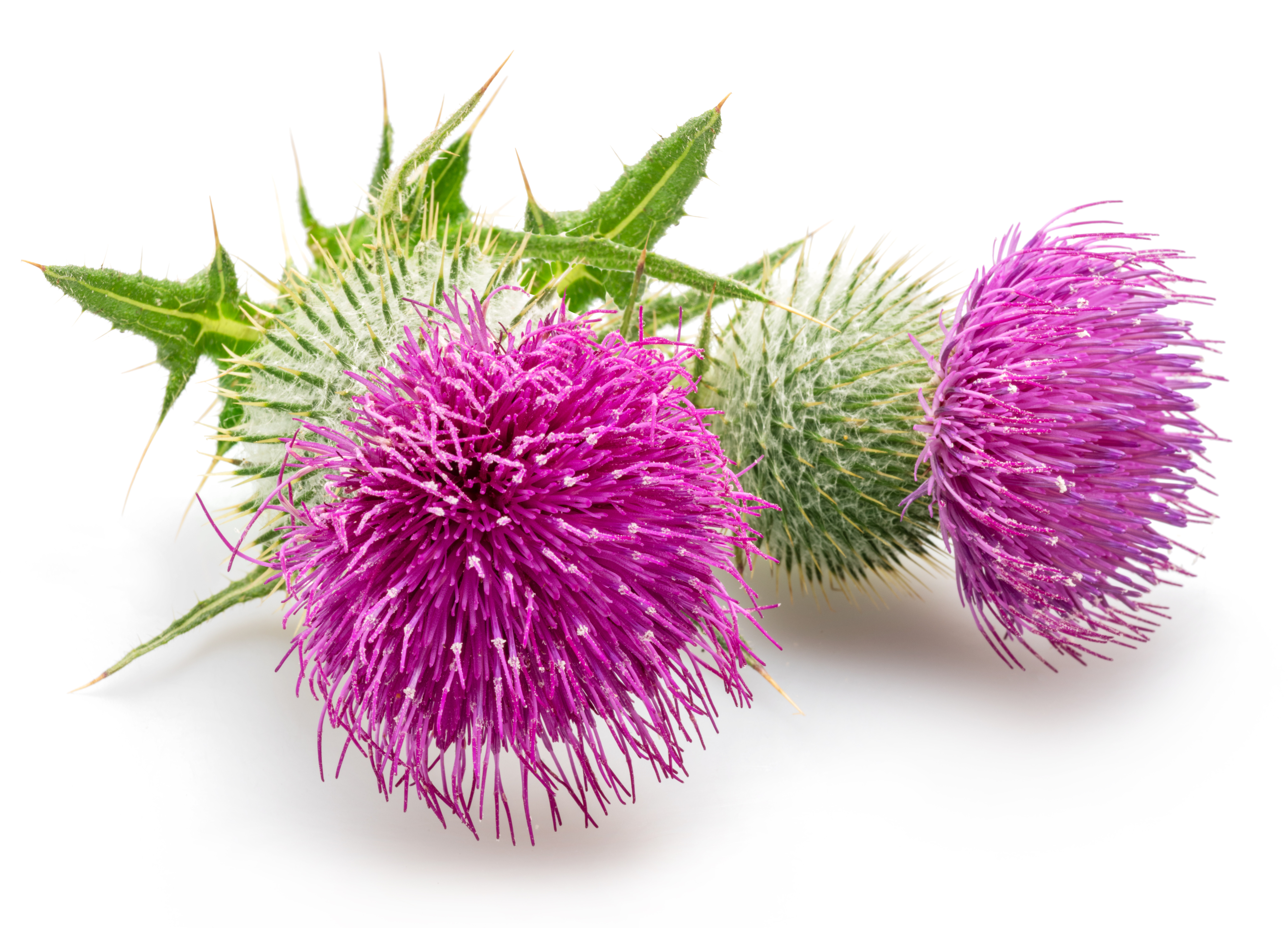
As more people embrace Dry January, questions will come up about supplements to aid detoxification, ease alcohol withdrawal symptoms, and support liver health. Be ready to discuss popular options with patients.
Milk thistle is one of the most widely used ingredients in liver support supplements. Its seed extract contains silymarin, a flavonoid believed to have antioxidant and hepatoprotective properties. However, evidence for milk thistle in managing alcohol-related liver disease remains limited. Clinical studies show some improvement in liver function tests, liver histology, and survival but the data are mixed. While milk thistle is generally well tolerated with minimal safety concerns or drug interactions, advise patients that the evidence doesn't strongly support the marketing claims.
Kudzu root extract is another popular ingredient. It's thought to work by suppressing voluntary alcohol intake and potentially speeding up the metabolism of toxic alcohol byproducts through antioxidant effects. Some studies suggest it may help heavy drinkers reduce consumption but emphasize to patients that it doesn't appear to reduce cravings or improve long-term sobriety in people with alcohol use disorder. It’s been used safely for up to 4 months, though there are concerns that kudzu may worsen existing liver disease, so use caution in patients with a history of liver disease.
Passion flower is increasingly appearing in these supplement formulations, often promoted for its calming effects and potential to reduce alcohol withdrawal symptoms. The evidence is minimal – one study in adults experiencing alcohol withdrawal symptoms found improvements in excessive sweating, liver enzyme levels, and quality of life, but passion flower was combined with other herbal supplements and lacked a control group for comparison. Most patients tolerate it well short-term, though they should be aware of possible drowsiness and interactions with sedatives or other CNS depressants.
In short, the clinical evidence for any supplement claiming to improve liver health or ease alcohol withdrawal remains weak or inconclusive. Guide patients toward focusing on Dry January’s real benefits – an opportunity to establish healthier routines including prioritizing sleep, reducing alcohol consumption, maintaining proper hydration, regular physical activity, and balanced nutrition. These evidence-based lifestyle changes provide health benefits that will extend beyond January.