Long COVID Recovery: What Does the Evidence Say?
January 2026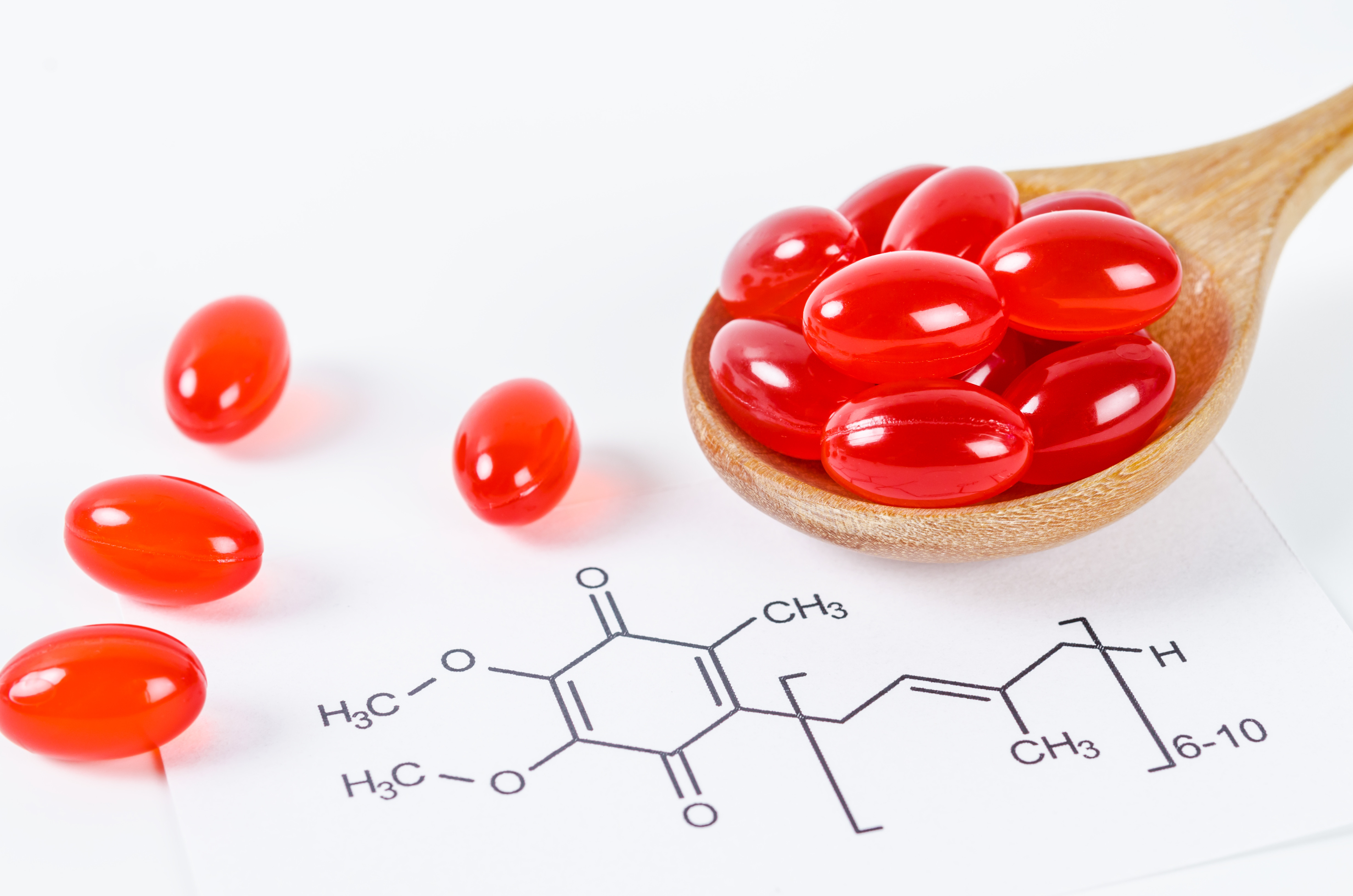
Coronavirus disease 2019 (COVID-19) and long COVID continue to affect many patients, and you’ll see supplements touted for “spike protein detox” as a way to address lingering symptoms such as fatigue and brain fog. Be prepared to discuss the available evidence.
Vitamin D often comes up in COVID-19 discussions, and there's some evidence for post-COVID symptoms, but it comes with several caveats. In vitamin D deficient adults with post-COVID fatigue and neuropsychiatric symptoms, supplementation improved fatigue, anxiety, and some aspects of cognitive function. However, it's unclear if these improvements were clinically significant or if vitamin D benefits patients with adequate baseline levels. While vitamin D is generally well tolerated, excessive long-term doses can lead to vitamin D toxicity.
What about coenzyme Q10? Despite being marketed for long COVID, coenzyme Q10 doesn't appear to help. Clinical research shows that taking it didn't reduce the number or severity of symptoms (e.g., mental and physical fatigue, headache, muscle weakness) in individuals with continued symptoms lasting more than 12 weeks. Though coenzyme Q10 is likely safe, GI side effects are common (diarrhea, nausea, and vomiting, etc.).
For patients specifically dealing with persistent loss of smell after COVID-19, there’s been interest in alpha-lipoic acid. However, studies using doses of 600-800 mg daily haven’t consistently demonstrated clear benefits when added to olfactory training. Alpha-lipoic acid is generally safe and well tolerated but remind patients that taking it with anticoagulant or antiplatelet drugs, supplements, or herbs may increase bleeding risk.
Several combination products have also been studied for long COVID. Vitamin C with L-arginine improved walking distance and reduced fatigue in one preliminary trial. Similarly, combination products containing black pepper or echinacea showed moderate improvements in self-reported symptom severity and fatigue scores, respectively. The challenge? It's unclear whether these benefits came from any single ingredient or the combination itself, making it difficult to recommend specific ingredients alone.
The reality is that strong clinical evidence for supplements claiming to help with long COVID symptoms is limited. But if patients want to try these options, guide them through what’s known, help them set realistic expectations, and make sure they keep you informed about any new additions so you can monitor for potential interactions and safety concerns.
Check out our Effectiveness by Condition tool to learn about other therapies studied for COVID-19.